Overuse from Running
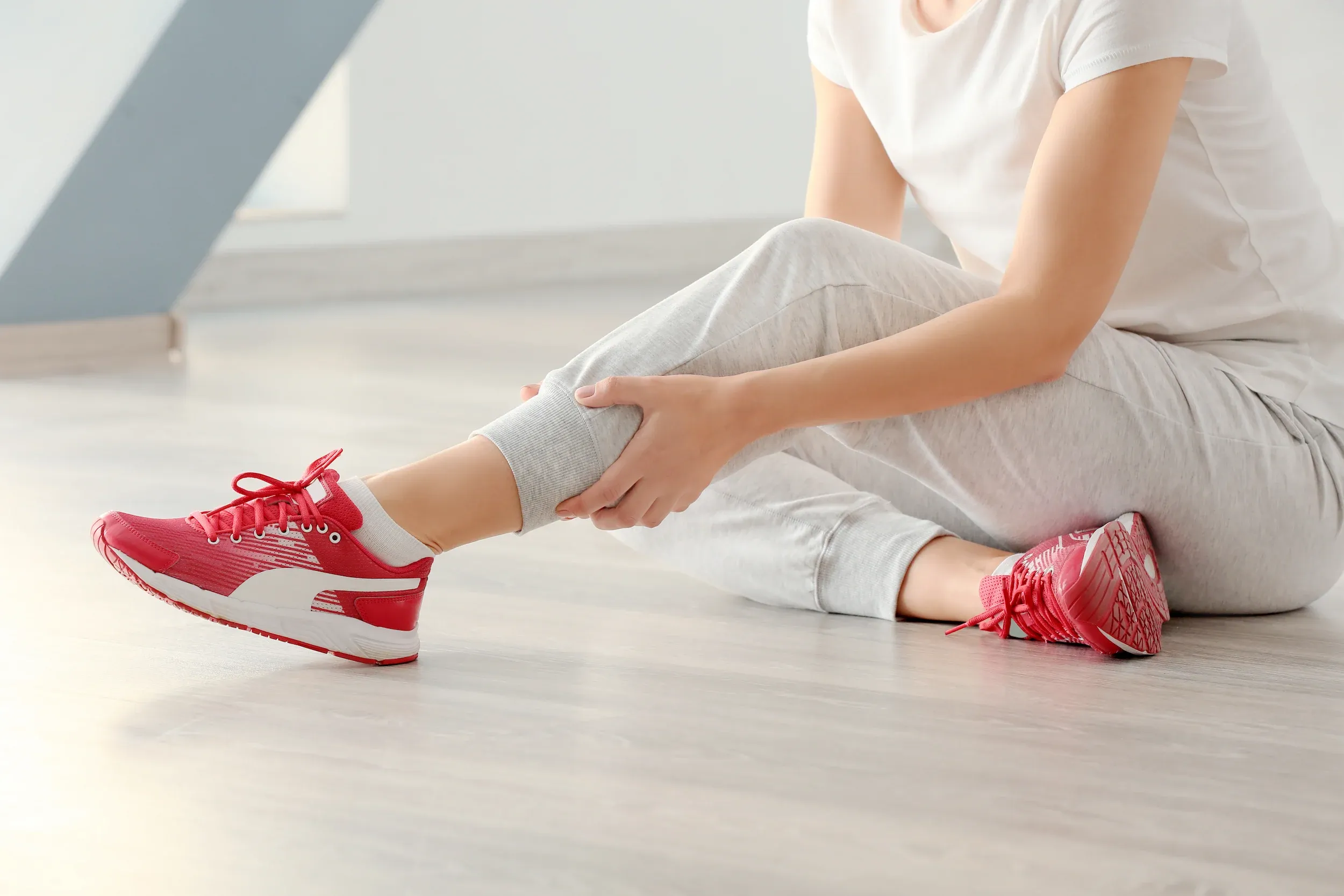
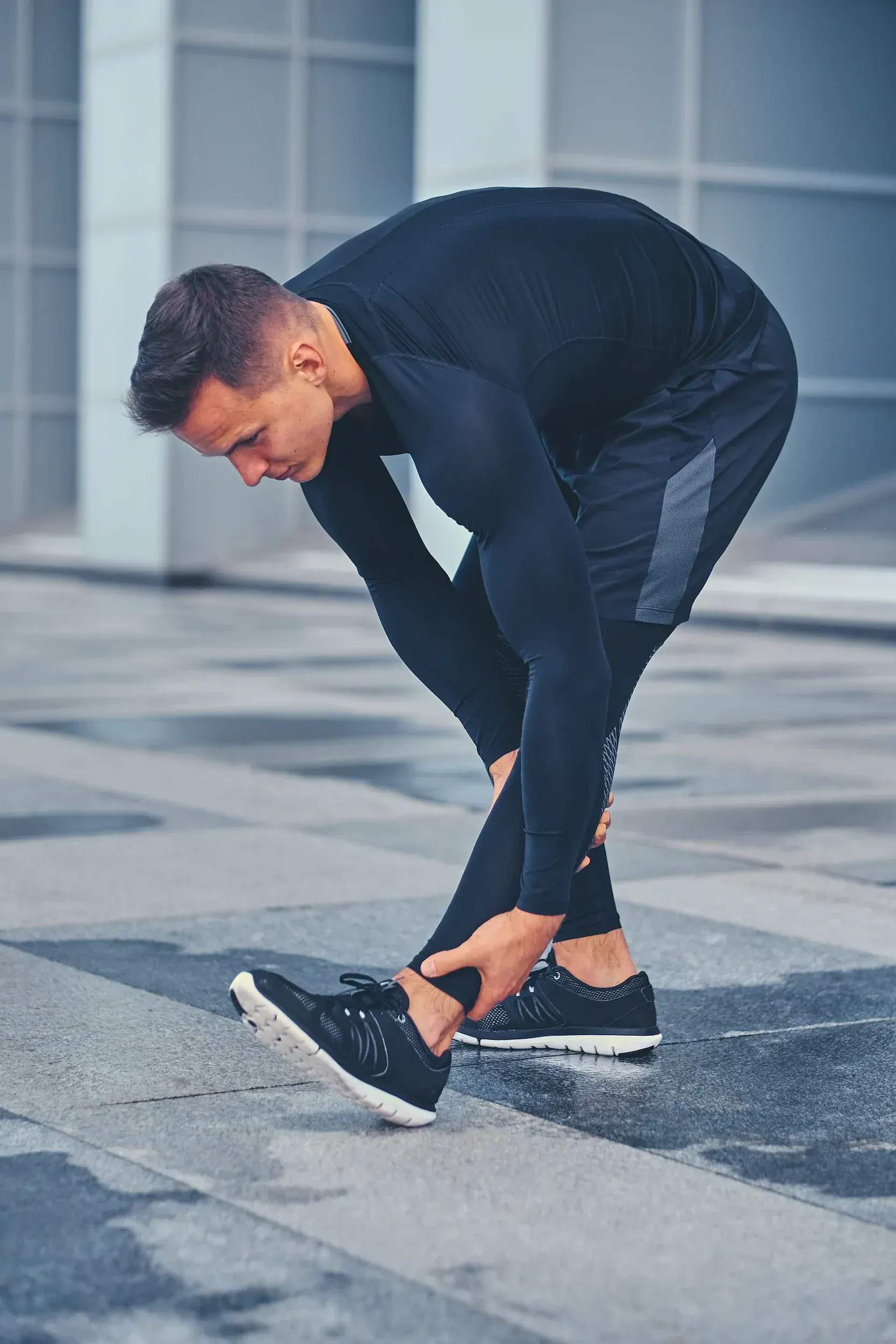
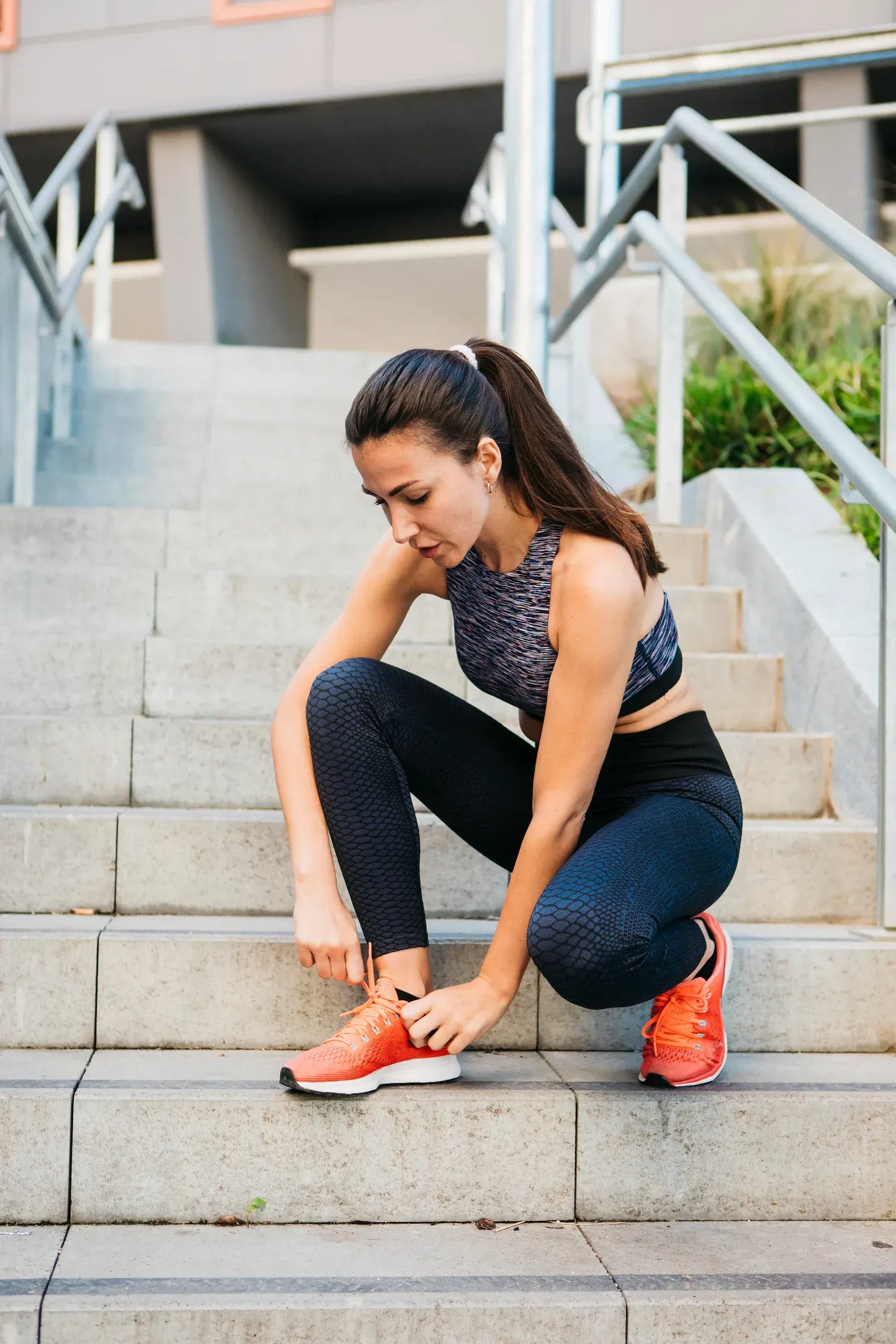
Repetitive impact from running, jogging, or court sports loads the Achilles thousands of times per session and outpaces recovery.
Calm the Pain, Restore Your Stride
Recognizing the Signs
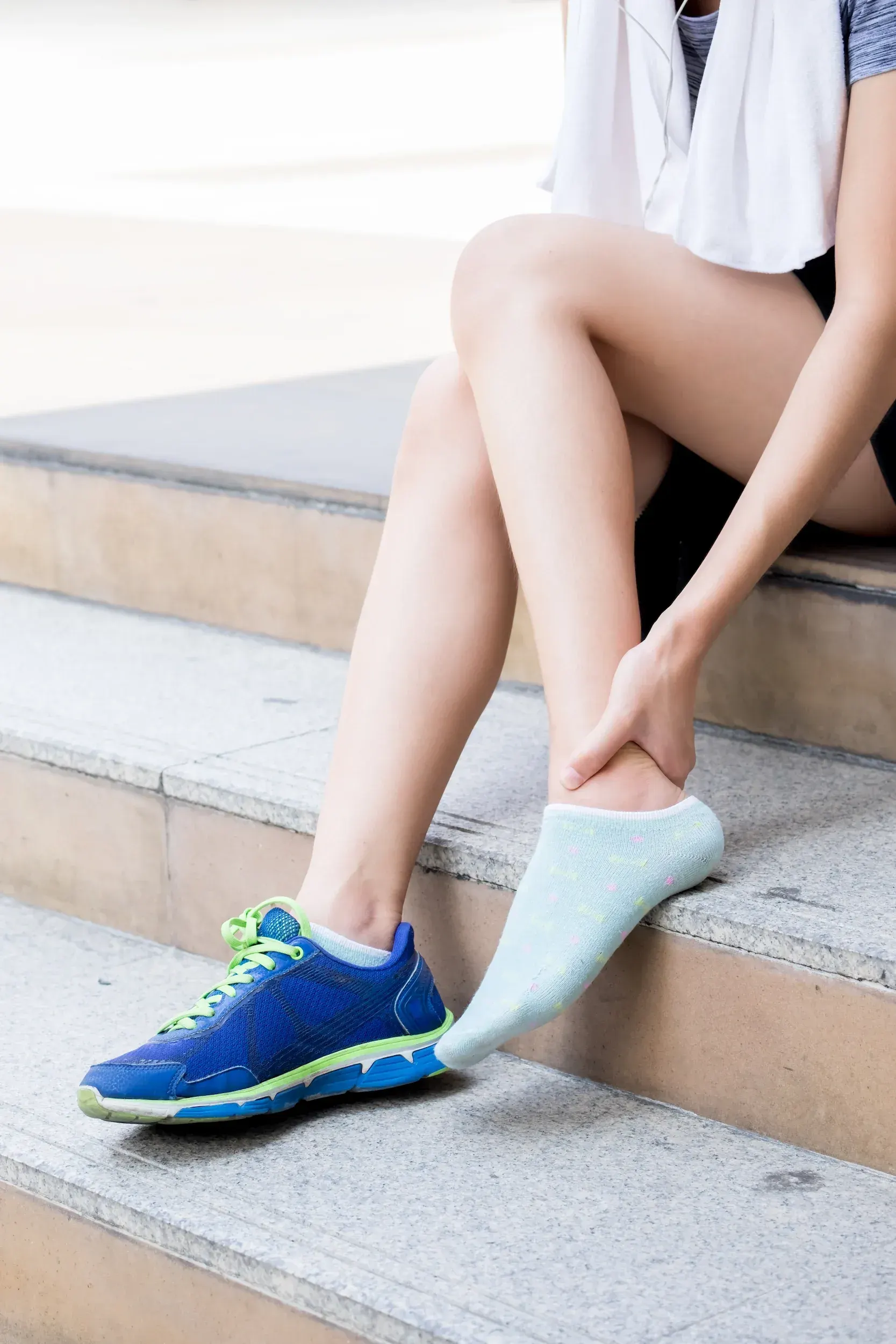
Achilles tendinitis is an overuse injury of the tendon that connects your calf muscles to your heel bone, the largest and strongest tendon in the body. Clinicians divide it into two patterns: insertional tendinitis (pain right at the heel where the tendon attaches to the calcaneus) and midportion tendinitis (pain and thickening 2 to 6 centimeters above the heel).
It is most common in active adults between 30 and 50, particularly runners, weekend warriors, pickleball players, and anyone who recently ramped up their training. Tight calves, sudden mileage increases, and worn-out shoes are frequent culprits.
At Spine-Ability, we treat Achilles tendinitis for patients across Apollo Beach, Riverview, Tampa, Brandon, Ruskin, Sun City Center, Gibsonton and surrounding Hillsborough County. The goal is to calm the inflamed tendon, address the root cause, and rebuild strength so you can return to running, walking, and training without limping through your day.
Understanding the Root Causes
The Achilles tendon is built to handle huge loads. Running can place forces of up to 12 times body weight through it with every push-off. When training volume outpaces the tendon's ability to recover, microscopic collagen fibers begin to fray, blood flow to the watershed zone (about 2 to 6 cm above the heel) drops, and a low-grade inflammatory response sets in.
Over time, this overuse cycle shifts from a true "itis" (inflammation) to a tendinosis pattern, where the tendon structure itself becomes disorganized and thickened. According to the American Chiropractic Association, conservative care that combines manual therapy, loading exercises, and pain-relief modalities is a first-line approach before considering injections or surgery.

Knowing the Difference Can Save Your Tendon
Most Achilles pain is a tendinitis or chronic tendinosis pattern: nagging stiffness in the morning, soreness with the first few steps, pain that warms up and then flares after activity. This responds very well to conservative care including shockwave therapy in Apollo Beach and Riverview and progressive loading.
A complete Achilles rupture is a very different injury. It often happens during an explosive push-off in a sport like basketball or tennis. Patients describe feeling a sudden "pop" or as if someone kicked them in the back of the leg, followed by an inability to push off or rise onto the toes. If that happens, this is a surgical emergency: go to the emergency room or urgent care immediately. Once a rupture is ruled out, we can help you rehabilitate everything from a partial tear to chronic tendinosis.
Expert Care in Apollo Beach and Riverview
Finding Your Best Approach
| Treatment | Best For | Session Time | Results Timeline | Maintenance |
|---|---|---|---|---|
| Shockwave Therapy | Chronic midportion and insertional tendinitis | 15-20 min | 3-5 sessions | Weekly for 3-6 weeks |
| Class IV K Laser Therapy | Acute inflammation and pain relief | 10-15 min | 2-4 sessions | 2-3 times per week |
| Soft Tissue Therapy | Tight calves and tendon adhesions | 15-30 min | Same-day relief | Weekly during flare-ups |
| Therapeutic and Rehabilitative Exercises | Long-term tendon strength and prevention | 20-30 min | 6-12 weeks | Home program ongoing |
Recognizing When to Seek Help
About Achilles Tendinitis
Achilles tendinitis is an overuse injury of the tendon connecting your calf to your heel. It usually shows up as morning stiffness, pain at the start of activity, and tenderness either at the heel (insertional) or 2 to 6 cm above it (midportion).
Yes. Focused shockwave therapy is well studied for both midportion and insertional Achilles tendinopathy and is one of the core tools we use at Spine-Ability, especially when symptoms have lasted more than three months.
Most patients see meaningful improvement within 3 to 6 shockwave sessions, typically scheduled once a week. Class IV laser and soft tissue work are layered in based on how your tendon responds during the first two visits.
Mild cases caught early often improve in 4 to 6 weeks. Chronic tendinosis usually needs 12 weeks or more of combined in-clinic care and a structured loading program. We give you a realistic timeline at your first visit.
In most cases, yes. We modify mileage, surface, and intensity rather than asking you to stop completely. Heavy-slow-resistance and eccentric calf work usually continue alongside running with adjusted volume.
Tendinitis is a gradual overuse injury. A rupture is a sudden, often dramatic event, frequently with a popping sensation and inability to push off. A suspected rupture is an emergency: go to the ER first, then come to us for rehabilitation.
It can, especially if calf strength and training load are not addressed. Our plan includes home loading exercises, shoe and training advice, and check-in visits to keep the tendon strong long after symptoms ease.
They often travel together because both involve calf and foot mechanics. Treating tight calves, foot strength, and footwear usually helps both conditions, which is why we screen for plantar fasciitis at every Achilles visit.