Neck Pain
Releases trigger points in trapezius and levator scapulae causing stiffness
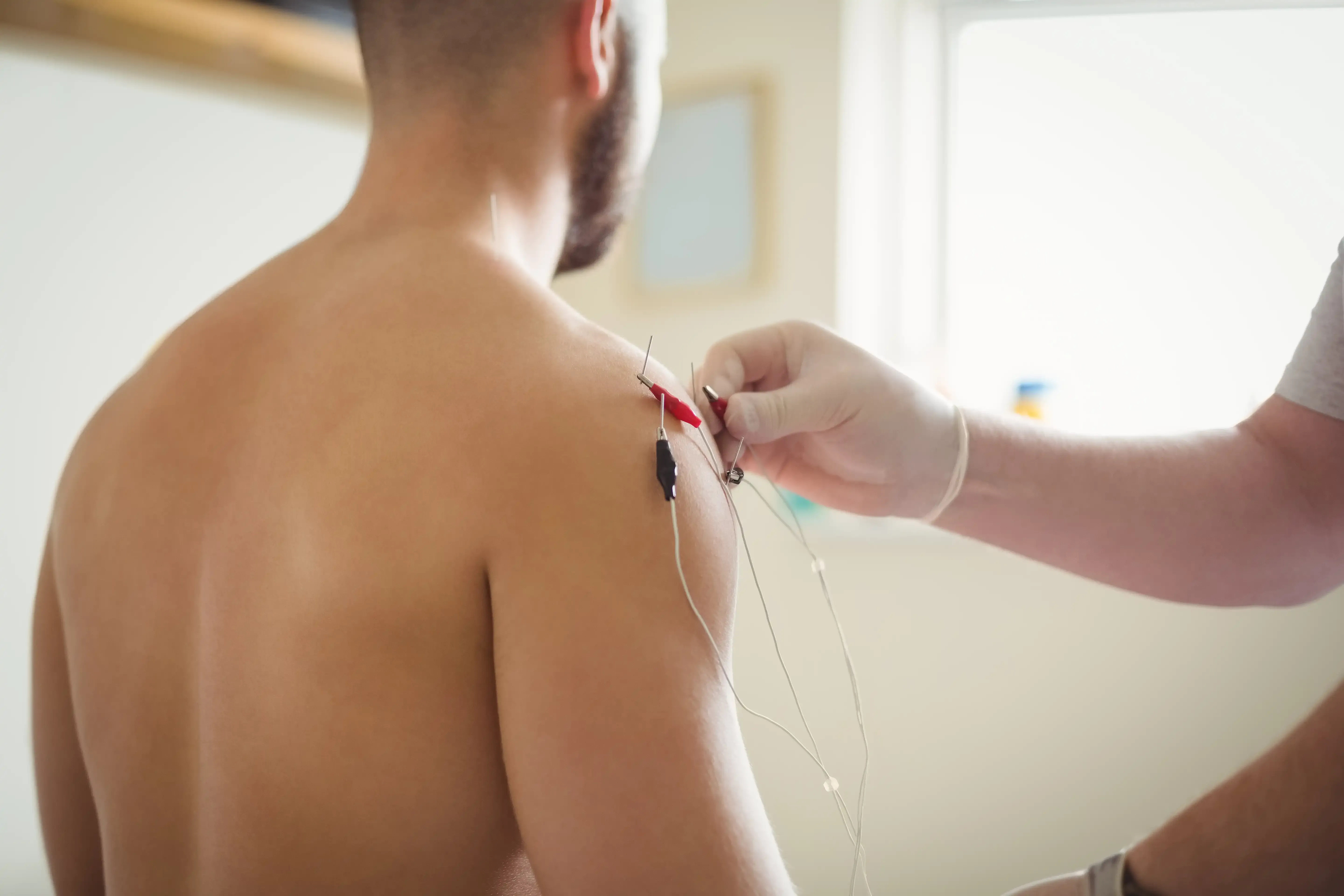
Targeted trigger point release for muscle pain and tension
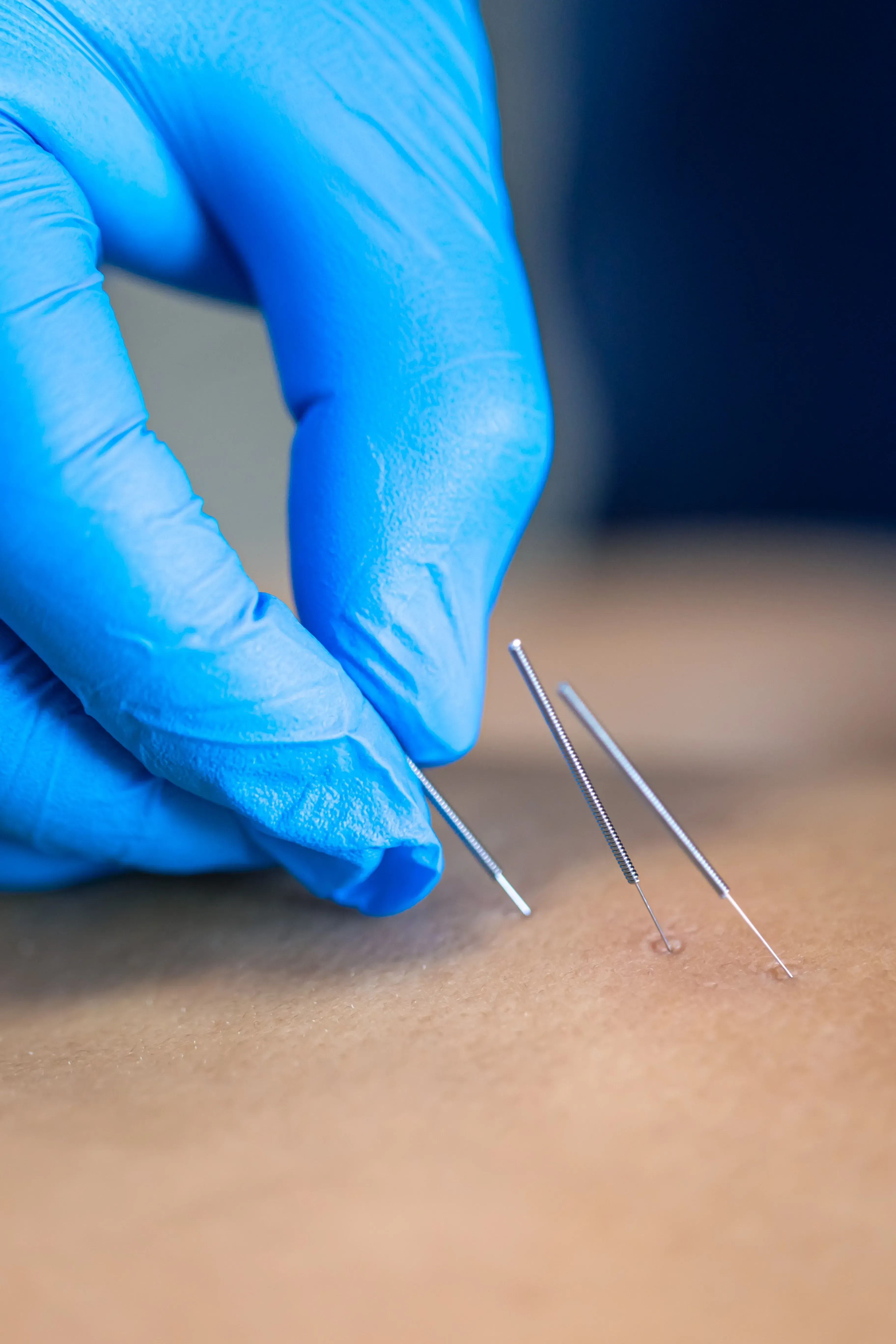
Understanding Trigger Points
You stretch, foam roll, and book the occasional massage, but the same knot in your trapezius, calf, or glute keeps flaring up. Headaches return whenever you spend a long day at the computer. A tight band in your shoulder limits how far you can reach overhead. Radiating pain or tingling down your arm or leg makes you wonder if something more serious is going on. These persistent muscle knots, called myofascial trigger points, can refer pain to other areas and resist surface-level treatments because they sit deep within the muscle belly.
Dry needling uses a thin solid filament needle to directly penetrate the trigger point, eliciting a brief local twitch response that helps the muscle fiber release. Once the knot lets go, blood flow improves, nerve signaling normalizes, and the referred pain pattern often resolves. Dr. Roman pairs dry needling with chiropractic adjustments, soft tissue therapy, and corrective exercises so you do not just feel better for a day, you stay better. Most patients notice meaningful improvement within 3 to 6 sessions.
The Science of Trigger Point Release
Dry needling is a Western, evidence-based therapy in which a licensed clinician inserts a sterile, single-use, solid filament needle directly into a myofascial trigger point, a hyperirritable knot in a taut band of skeletal muscle. The needle is dry, meaning no medication is injected, which is what distinguishes it from a trigger point injection.
When the needle contacts an active trigger point, the muscle fiber often produces a brief involuntary contraction called a local twitch response. According to the National Center for Complementary and Integrative Health, needling techniques modulate pain signaling, increase local blood flow, and help reset overactive motor endplates. The twitch response is the clinical signal Dr. Roman uses to confirm the needle has reached the dysfunctional fiber, and it is typically followed by a measurable drop in muscle tone within minutes.
Acupuncture is rooted in Traditional Chinese Medicine and follows meridian energy lines and acupoints to balance qi. Dry needling is based on Western neuromuscular anatomy and targets specific dysfunctional muscle tissue identified on physical exam. Some patients benefit from acupuncture as a complementary treatment when a more holistic, whole-body approach is appropriate, and Dr. Deidre Deany, our certified acupuncturist, can help determine which is the better fit.
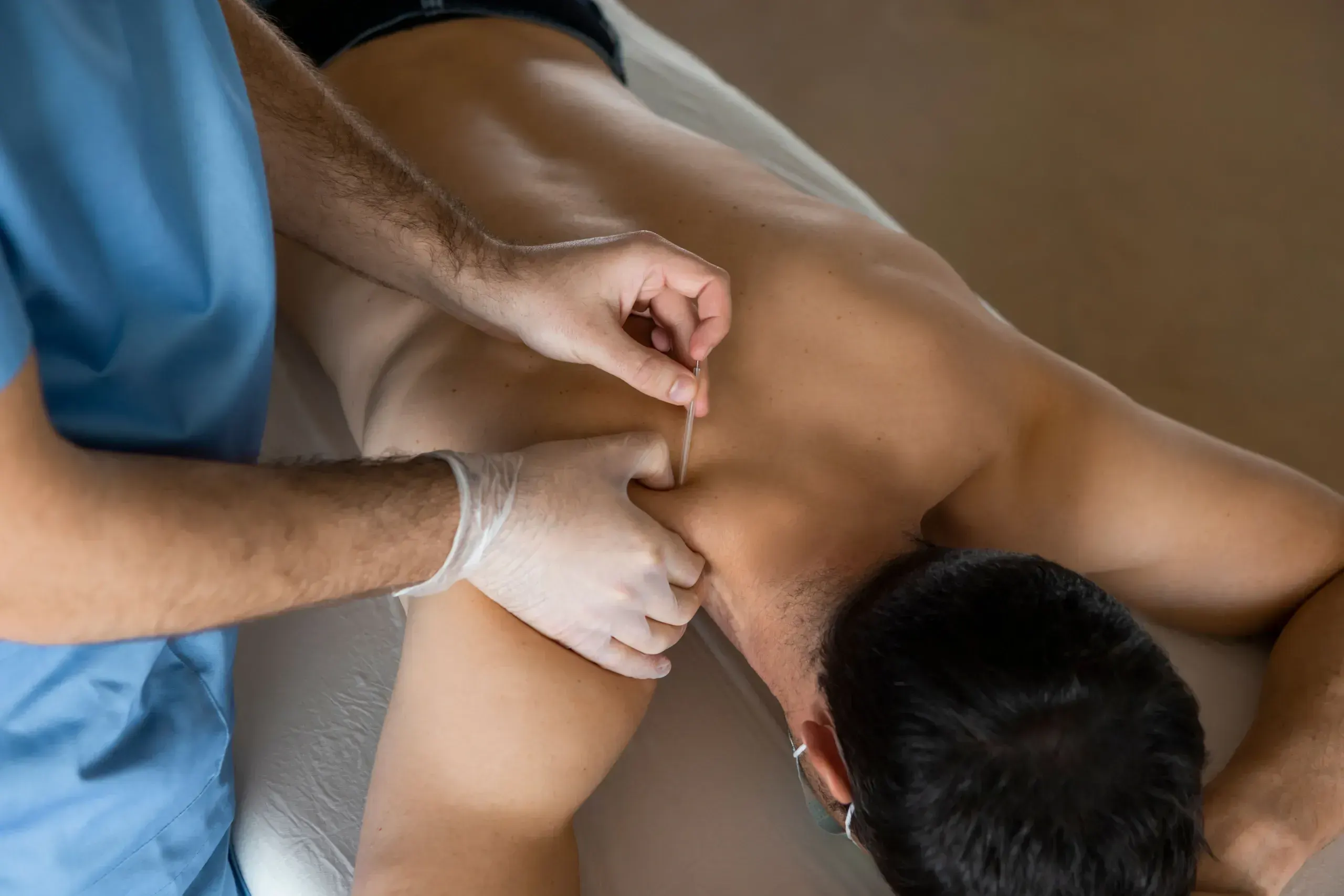
Dr. Roman first palpates the affected muscle to locate the trigger point, cleans the skin with an alcohol prep, and inserts the filament needle. You may feel a brief deep ache or cramp when the twitch response occurs, then the muscle softens. The needle is removed and the area is gently stretched.
Many patients report reduced muscle tightness within 24 to 72 hours after the first session, with cumulative benefit across 4 to 6 weekly visits. Results last longer when needling is combined with corrective exercise and postural retraining.
Targeted, Lasting Muscle Relief
2000+ Satisfied patients
Reaches deep muscle fibers that massage and stretching cannot release
Many patients feel looser within 24 to 72 hours of a session
No medication, no injections, no systemic side effects
Restores joint mobility once tight muscles release
Pairs well with adjustments, soft tissue therapy, and rehab exercises
Compare Your Options
| Treatment | Mechanism | Time | Results | Duration | Downtime | Best For |
|---|---|---|---|---|---|---|
| Dry Needling | Filament needle into trigger point | 20-30 min | 24-72 hours | Builds over 4-6 sessions | Mild soreness 24-48 hr | Myofascial pain, muscle knots |
| Acupuncture | Needles along meridian acupoints | 30-45 min | Cumulative over visits | Builds over 6-10 sessions | Minimal | Whole-body balance, holistic care |
| Trigger Point Injection | Anesthetic or saline injected into knot | 10-15 min | Within hours | Days to weeks | Bruising, soreness | Acute focal pain, medical setting |
Finding Your Best Relief
Dry needling helps adults with localized myofascial pain who have not responded fully to massage, stretching, or surface modalities. Dr. Roman screens every patient before recommending treatment.
If you have a pacemaker, internal defibrillator, or are immunocompromised, share that during your consultation so Dr. Roman can adjust the plan or recommend a safer alternative such as soft tissue therapy.
Step-by-Step Process
Dr. Roman uses McKenzie MDT screening and palpation to locate active trigger points and rule out contraindications.
Dr. Roman cleans the skin with alcohol and positions you comfortably with the target muscle relaxed.
Dr. Roman inserts a sterile single-use filament needle directly into the trigger point in the muscle belly.
A brief local twitch response confirms the right fiber; the muscle then begins to release within seconds.
Dr. Roman removes the needle, gently stretches the area, and reviews hydration and home care guidance.
What to Know
Most patients experience temporary post-treatment muscle soreness lasting 24 to 48 hours, similar to a deep workout. Minor bruising at the needle site, brief skin redness, and a feeling of fatigue in the treated muscle are also common and typically resolve within a few days. Drinking water and applying a warm compress can ease these effects.
A small percentage of patients experience a vasovagal response (brief lightheadedness or fainting), particularly during their first session or if anxious about needles. Dr. Roman positions you reclined to minimize this risk. Mild headache or nausea after treatment occurs occasionally.
Pneumothorax (collapsed lung) is a rare but serious risk when needling muscles around the upper trapezius, rhomboids, or chest wall, with incidence estimated below 0.01 percent in trained hands. Other rare events include nerve irritation, prolonged soreness beyond 5 days, or local infection. Dr. Roman uses single-use sterile needles and a conservative depth in high-risk regions to mitigate these risks.
Contact Spine-Ability promptly if you develop shortness of breath, chest pain, expanding redness or warmth at the needle site, fever, or persistent symptoms beyond a week. Her Dry Needling certification and 13 years of clinical training keep the safety profile strong.
Dry needling sessions in the Tampa Bay market typically range from $50 to $95 per visit when paid out of pocket, and from $35 to $65 per visit when bundled with chiropractic care. Pricing varies by session length, the number of muscle groups treated, and whether the visit is a standalone needling session or added to an adjustment. New patients begin with a consultation and physical exam, after which Dr. Roman builds an individualized plan. Exact pricing will be discussed during your consultation based on your treatment goals.
Some commercial health plans reimburse dry needling when billed alongside chiropractic care; coverage varies by carrier and policy. If you are recovering from an auto accident, dry needling may be covered under your Florida Personal Injury Protection (PIP) benefits as part of your injury rehabilitation. Our front office verifies benefits before treatment so there are no surprises. Learn more about PIP and auto insurance payment options at Spine-Ability.
For patients without coverage, we offer self-pay packages that lower the per-session cost when committing to a treatment plan:
Apollo Beach's Trusted Provider
Formal certification in trigger point and intramuscular needling techniques
Mechanical assessment identifies the true driver of your muscle pain
11 years of concierge-level care across Apollo Beach and Riverview
Pairs with chiropractic adjustments, soft tissue therapy, and rehab exercises
Precision Needle Placement
Most dry needling treatments are completed in under 30 minutes, with many patients noticing improved range of motion and reduced pain the same day.
Pair dry needling with these complementary therapies for deeper relief.
Traditional needle therapy with Dr. Deany for chronic pain, headaches, stress and nerve symptoms - drug-free relief that pairs naturally with chiropractic care.
Learn MoreInstrument-assisted myofascial release and trigger-point work paired with adjustments to release tension and improve mobility.
Learn MoreHands-on spinal adjustments using Diversified, Gonstead and Activator techniques to restore alignment, calm nerve pressure and free up motion.
Learn MoreYour Questions Answered
Dry needling is a Western, anatomy-based therapy using a thin solid filament needle to release myofascial trigger points. No medication is injected, hence the term dry.
Acupuncture follows Traditional Chinese Medicine meridians to balance qi. Dry needling targets specific dysfunctional muscle fibers based on Western neuromuscular anatomy. The needles look similar; the philosophy and technique differ.
Dr. Roman uses dry needling for neck pain, shoulder tightness, muscle spasms, tension headaches, chronic myofascial pain, and certain nerve pain patterns driven by muscle compression.
The needle insertion itself is barely felt. The brief twitch response can feel like a deep ache or cramp lasting a second or two. Most patients describe it as tolerable and worth the relief.
Most patients see meaningful improvement within 3 to 6 weekly sessions. Chronic or multi-area issues may need a longer course; periodic maintenance keeps results stable.
Yes, and we recommend it. Combining dry needling with chiropractic adjustments and soft tissue therapy in Apollo Beach and Riverview often produces faster, longer-lasting results than any single modality alone.
Some commercial health plans cover dry needling when paired with chiropractic care. Florida PIP often covers it for auto injury patients. Our team verifies benefits before your first session.