Lower Back Pain
Core stability and McKenzie-based correction for spine pain
Guided exercise programs that rebuild strength and prevent re-injury.

Understanding Incomplete Recovery
Most injuries feel better long before they have actually healed. The sharp pain fades, you stop limping, and life pulls you back to mowing the lawn, lifting kids, or hitting the gym. A few weeks later, the same back, knee, or shoulder lights up all over again. Patients tell us they have done some adjustments, some massage, maybe a few sessions of physical therapy, but they never quite got back to the strength and confidence they had before. The muscles around the injured joint stay weak, motor control patterns stay sloppy, and the tissue is one wrong move from a setback.
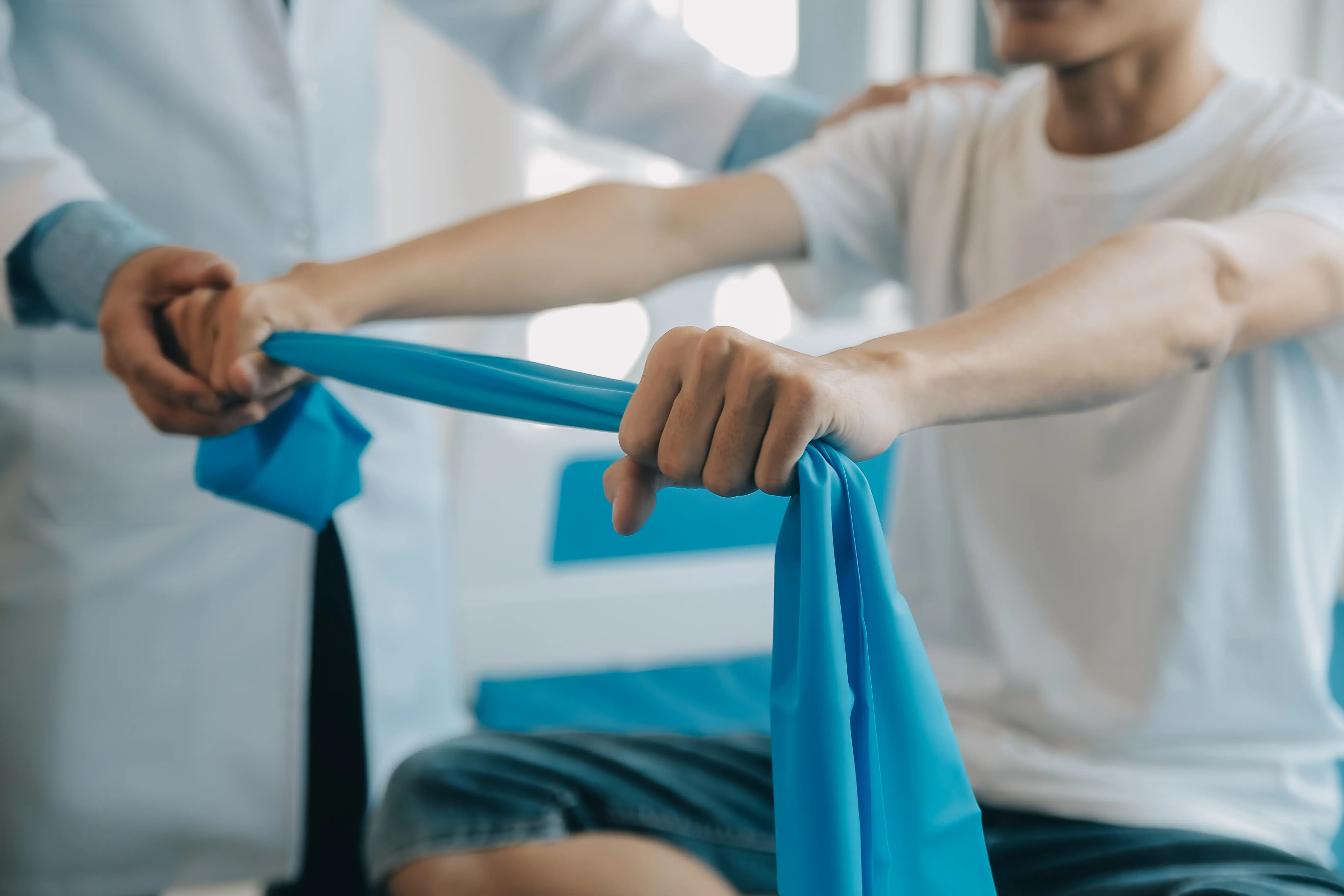
Therapeutic exercise rebuilds the system from the ground up. We assess how you actually move, identify the weak links and faulty patterns, and prescribe a progression of corrective drills, mobility work, and strength exercises matched to your tissue stage. Each visit Dr. Canavan coaches the movements in office, then sends you home with a clear plan. Over 4 to 12 weeks the tissue tolerates more, the motor patterns clean up, and you stop flaring up every time life gets demanding.
The Science of Active Recovery
Therapeutic and rehabilitative exercises are clinically prescribed movements designed to restore strength, mobility, motor control, and tissue tolerance after injury, surgery, or chronic dysfunction. Unlike general fitness, every drill targets a specific deficit identified during examination, and the program advances through stages based on objective return-to-activity criteria.
Healing tissue follows predictable phases: inflammation, repair, and remodeling. Each phase needs a different mechanical input. Early on, gentle range-of-motion work and isometrics signal the body to lay down organized collagen. Later, progressive overload (gradually increasing load, range, or speed) trains tendons and muscles to handle real-world demand. According to the American Chiropractic Association, active care combined with manual therapy outperforms either approach alone for most musculoskeletal conditions.
For spine pain we often use McKenzie Mechanical Diagnosis and Therapy (MDT), an evidence-based system that classifies a patient's response to repeated movements and prescribes the directional preference that centralizes symptoms. For chronic instability we layer motor control exercise (training the deep stabilizers like the multifidus and transverse abdominis to fire on time) and neuromuscular re-education (retraining the brain and muscles to coordinate movement again after pain shut them down).
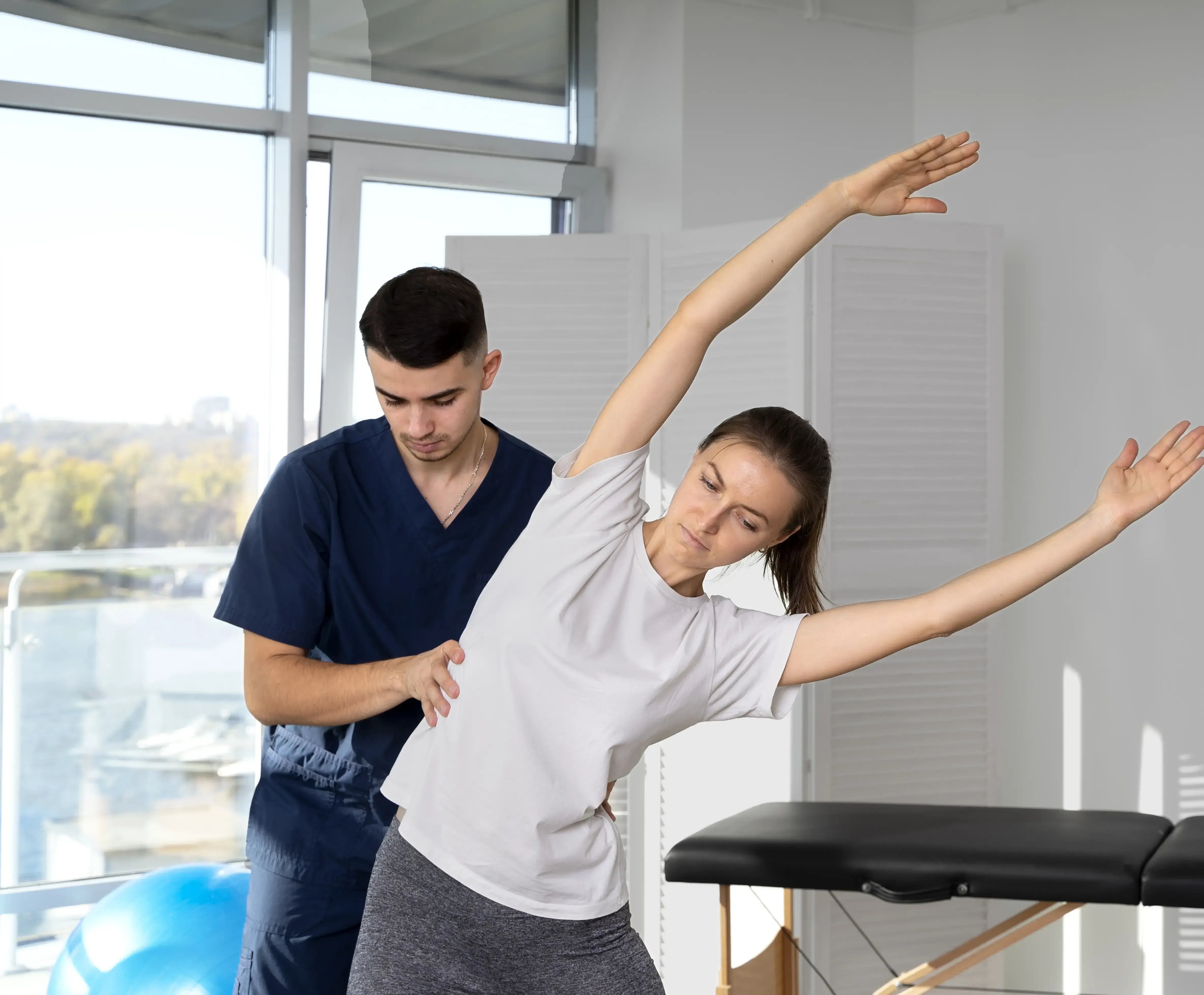
Sessions are coaching-focused. Dr. Canavan demonstrates each new exercise, watches you perform it, corrects form in real time, and adds resistance or complexity only when you have earned it. Between visits you do a short daily home program. We also coordinate rehab with hands-on care like chiropractic adjustments for accident recovery and soft tissue therapy for whiplash and muscle injuries so the joint moves freely while the strength catches up.
Discharge is not a calendar date. We use objective criteria like symmetric strength testing, pain-free single-leg or single-arm performance, and sport-specific or work-specific task tolerance to decide when you are truly ready to return. That is how we keep re-injury rates low.
From Passive Treatment to Active Recovery
2000+ Satisfied patients
Rebuild the muscles that pain or injury shut down
Restore pain-free range so daily tasks stop triggering symptoms
Train motor patterns that keep flare-ups from returning
Bridge from passive treatment to long-term self-management
Habits and home program that protect you for years, not weeks
Move, lift, and play without bracing for the next setback
Compare Your Options
| Treatment | Mechanism | Time | Results | Duration | Downtime | Best For |
|---|---|---|---|---|---|---|
| Provider-Led Rehab Exercises | Custom prescription plus coaching | 15-30 min | Strength, mobility, motor control | 4-12 weeks | None | Targeted recovery and prevention |
| Generic Physical Therapy | Standardized protocols | 30-60 min | Variable, often slower progression | 8-16 weeks | None | Insurance-driven post-op care |
| Free YouTube Routines | Self-directed video instruction | Variable | Unpredictable, no feedback | Indefinite | None | General fitness, not injury rehab |
Finding Your Best Path to Recovery
Therapeutic exercise works best for patients who are past the acute crisis and ready to actively rebuild the strength, mobility, and motor control they lost during injury or chronic pain.
Dr. Canavan reviews your history, exam findings, and imaging at the consultation and selects exercises that are safe for your stage of healing, or refers you back to your physician if rehab is not yet appropriate.
Step-by-Step Process
Dr. Canavan screens movement, strength, mobility, and McKenzie response to find your deficits.
Dr. Canavan builds a 4 to 12 week plan tailored to your injury stage, goals, and lifestyle.
Dr. Canavan demonstrates each drill, corrects form in real time, and progresses load when earned.
Dr. Canavan sends you home with a short daily routine and clear progression cues.
Dr. Canavan retests strength and movement at milestones to confirm objective progress.
What to Know
Mild post-exercise soreness in the muscles being trained is the most common reaction, typically peaking 24 to 48 hours after a session and resolving on its own. You may also notice short-term fatigue in the recovering region as previously dormant muscles wake up. Pacing matters: pushing through pain that worsens with each rep is a sign to back off the load or range, not to grind through it.
A small percentage of patients have a brief uptick in their original symptoms during the first week as the tissue adapts. This usually means the prescription needs a small adjustment, not that exercise is making things worse. Joint soreness, muscle cramps, or transient stiffness can occur and usually settle with hydration, sleep, and tapered load.
Therapeutic exercise prescribed by a trained clinician is one of the safest interventions in musculoskeletal care. Dr. Canavan reassesses your response between visits and dials the program up or down based on what your body tells us. Stop and contact the office if you develop sharp, sudden, or progressive neurological symptoms like numbness, weakness, or loss of bladder or bowel control.
In the Tampa Bay and Hillsborough County market, in-office therapeutic exercise sessions typically range from $45 to $120 each, with most patients completing 4 to 12 weeks of programming at one to two sessions per week. Pricing depends on session length, complexity of the program, and whether rehab is bundled with other care like adjustments or soft tissue work. Exact pricing is reviewed at your consultation based on your individual treatment plan.
Rehabilitative exercise is rarely sold alone. We typically build it into a broader recovery plan that may include chiropractic adjustments, soft tissue therapy, or shockwave depending on the condition. Bundling brings the per-session cost down and aligns every visit with a single recovery goal.
If your injury came from a car accident, Florida Personal Injury Protection (PIP) typically covers medically necessary rehabilitation including therapeutic exercise. Our team files the PIP paperwork directly with your auto insurer. Pair rehab with auto and personal injury treatment in Apollo Beach and Riverview for a coordinated recovery from day one.
We are proud to serve veterans through VA Community Care, which covers chiropractic and therapeutic exercise for eligible veterans referred by the VA. Visit our VA appointment page for eligibility, referral steps, and what to bring to your first visit.
For patients without coverage, we offer self-pay packages on 4-week, 8-week, and 12-week programs that bring the per-session cost down and include re-evaluation visits. See PIP and auto insurance payment options at Spine-Ability for the full breakdown.
Apollo Beach and Riverview's Trusted Provider
Sports medicine background informs every program and progression
Evidence-based spine classification for directional preference care
Hands-on form correction so home work is safe and effective
Rehab paired with adjustments, soft tissue, and shockwave as needed
Rehabilitation sessions are available at both our Apollo Beach and Riverview clinics, making it easy to stay consistent with your program no matter where you are in the Tampa Bay area.
We accept VA Community Care referrals, Florida PIP for auto injury cases, and most major health plans, so rehabilitation is covered and accessible for the patients who need it most.
Pair rehab with these complementary chiropractic and recovery services.
Same-day exams, full treatment plans and Florida PIP-compliant documentation after a car accident - protect your recovery and your insurance benefits.
Learn MoreInstrument-assisted myofascial release and trigger-point work paired with adjustments to release tension and improve mobility.
Learn MoreGentle E-stim during your visit to relax muscle spasms, dampen pain signals and stimulate circulation in healing tissue.
Learn MoreYour Questions Answered
They are clinically prescribed movements that restore strength, mobility, motor control, and tissue tolerance after injury or chronic pain. Every drill targets a specific deficit identified during examination, not a one-size-fits-all routine.
Most programs run 4 to 12 weeks depending on the condition. Spine and minor strain cases often finish in 4 to 6 weeks, while post-accident or post-surgical recovery can take 8 to 12 weeks of progressive work.
Dr. Canavan runs a functional assessment, identifies your weak links and faulty patterns, and selects exercises matched to your tissue stage. He coaches form in office, then sends a short home routine you can do most days.
You may feel mild muscle soreness 24 to 48 hours after a session, similar to a workout. Sharp pain is not the goal. Dr. Canavan adjusts load, range, and complexity so you build strength without flaring up the injury.
Yes, and we recommend it. Adjustments restore joint motion while exercises rebuild the strength and control around that joint. Most plans combine both, along with soft tissue therapy when indicated.
It depends on your plan. Auto injury cases are often covered under Florida PIP, eligible veterans can use VA Community Care, and many private plans cover medically necessary rehab. We verify benefits before you start.
We will give you a short maintenance routine to protect your gains and prevent re-injury. Five to ten minutes most days is typically enough once your initial program is complete.