Disc Degeneration
Age-related wear lowers disc height and cushioning, which increases pressure on facet joints and nearby nerves in the lumbar spine.
Reclaim Pain-Free Movement
Recognizing the Signs
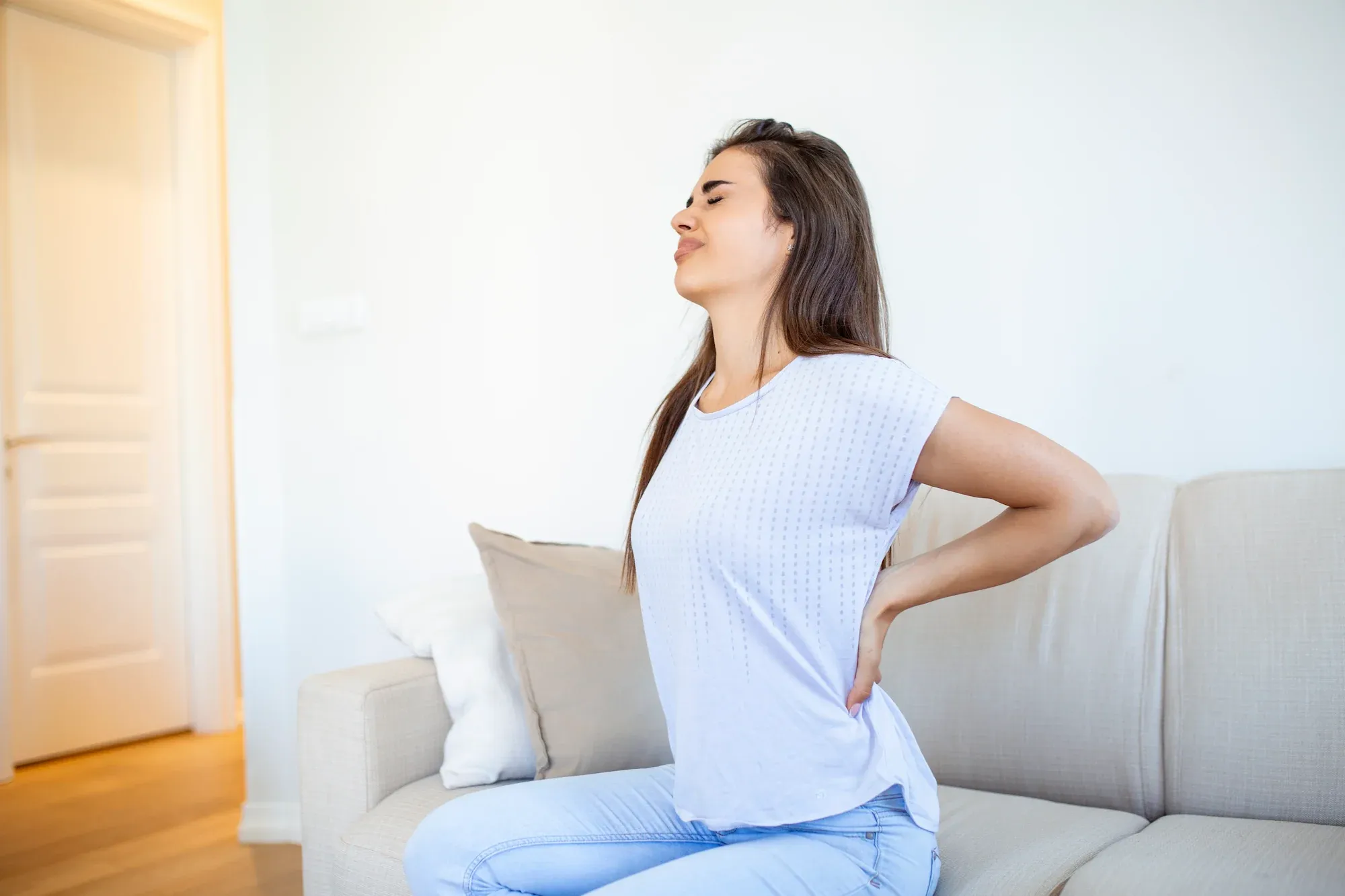
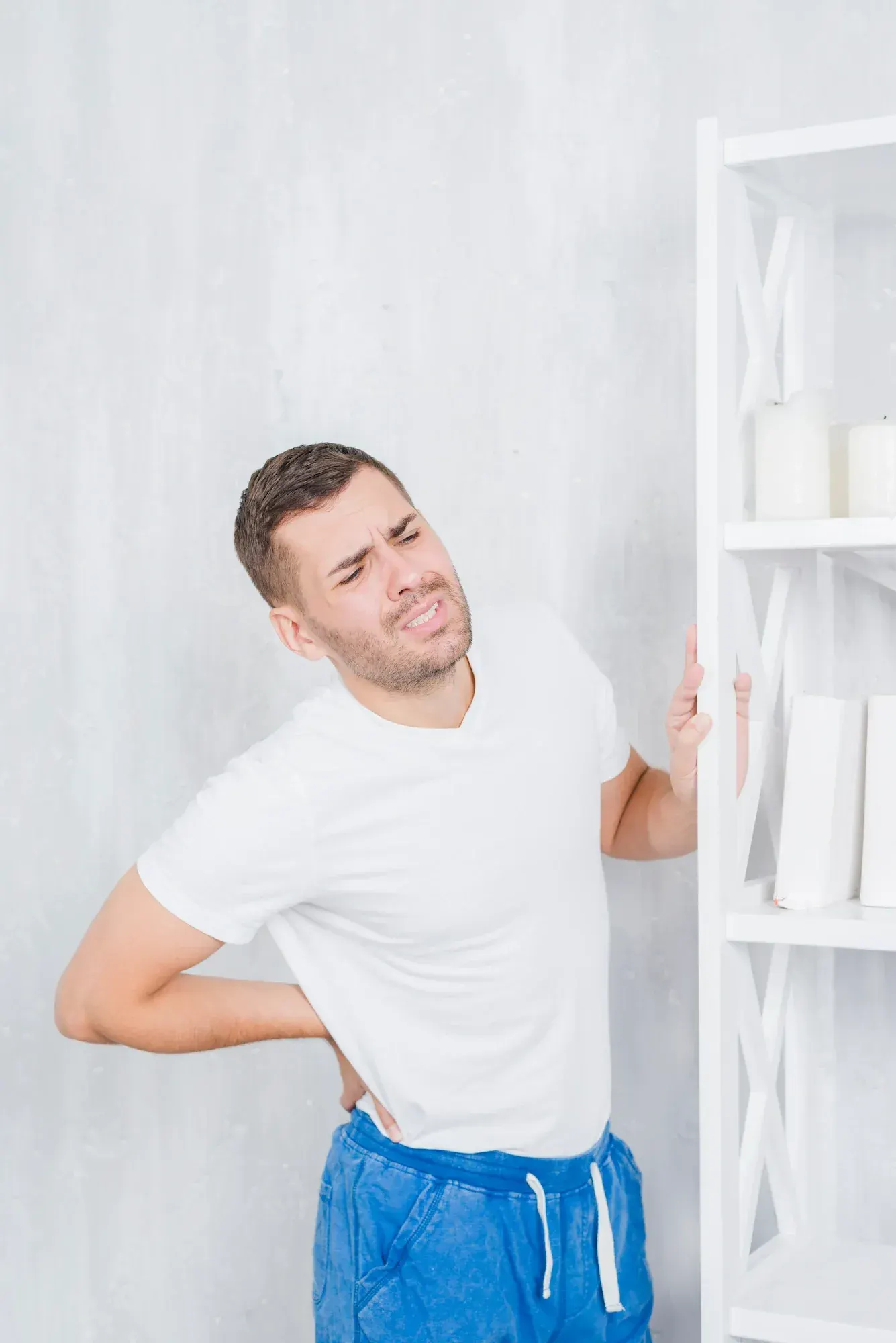
We serve Apollo Beach, Riverview, Tampa, Brandon, Ruskin, Sun City Center, Gibsonton and surrounding Hillsborough County. Lower back pain (lumbar pain) is one of the most common reasons adults visit a healthcare provider in the United States. Roughly 80 percent of people will experience meaningful low back pain at some point in life, and for many it returns more than once.
At Spine-Ability Chiropractic and Wellness, we treat lower back pain as a movement and mechanics problem first, not just a symptom to mask. Dr. Marissa Fetherman, Dr. David Fetherman and our team examine the spine, hips, soft tissue and nervous system to find the root cause, then build a non-surgical plan that combines chiropractic adjustments with spinal decompression, soft tissue therapy and rehab.
Understanding the Root Causes
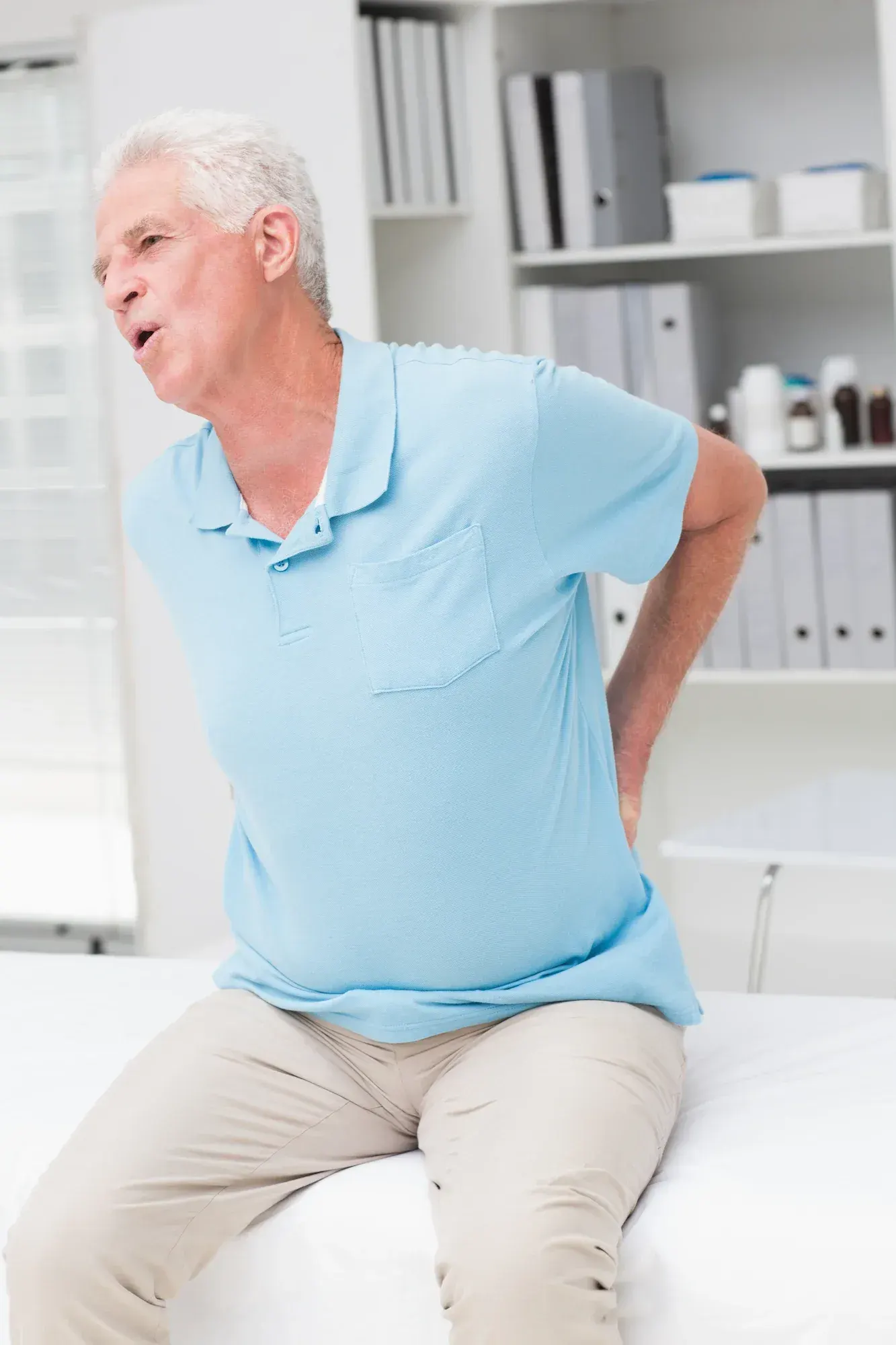
The lumbar spine carries the weight of the upper body while allowing bending, rotation and lifting. When discs, facet joints, muscles or nerves in this region are stressed beyond what they can adapt to, pain signals follow. According to the National Institute of Neurological Disorders and Stroke, most episodes are mechanical in origin, not the result of serious disease.
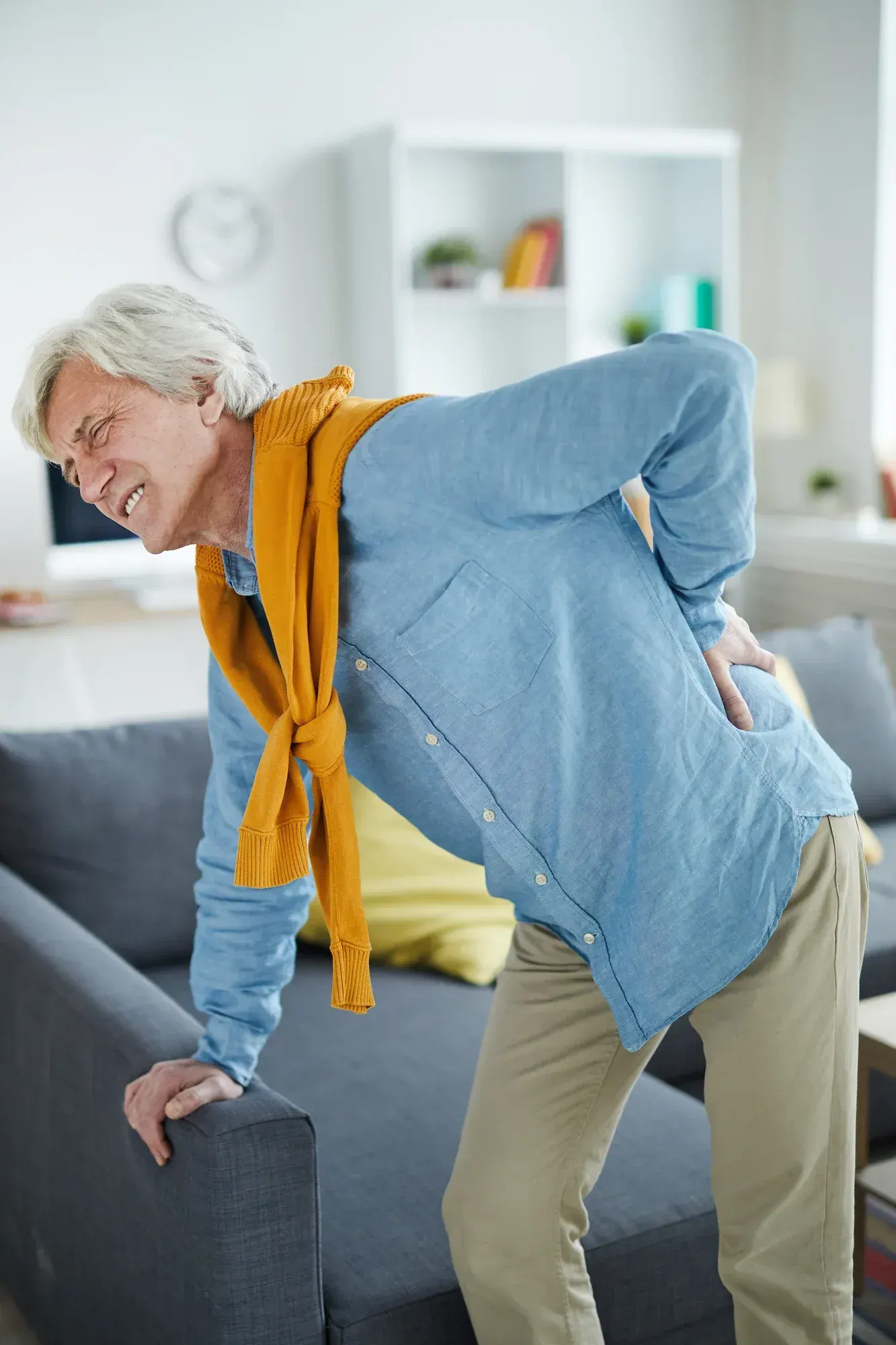
Routine Pain vs. Red Flags
Most low back pain improves within a few weeks with conservative care, and patients who start chiropractic care early often recover faster and report fewer recurrences. If pain persists beyond two weeks, radiates into the leg, follows a fall or auto accident, or limits your daily activities, a clinical evaluation can identify the structures driving the pain.
Certain symptoms warrant urgent medical care rather than a chiropractic visit. Loss of bowel or bladder control, numbness in the saddle region, sudden leg weakness, unexplained fever with back pain, or back pain after major trauma should be evaluated in an emergency room right away. Conservative care, including sciatica management, is appropriate once these red flags have been ruled out.

Expert Care in Apollo Beach
Finding Your Best Approach
| Treatment | Best For | Session Time | Results Timeline | Maintenance |
|---|---|---|---|---|
| Chiropractic Adjustments | Joint restriction and mechanical pain | 15-30 min | 1-3 visits | As needed |
| Spinal Decompression | Disc bulges and nerve compression | 20-30 min | 4-8 weeks | Monthly |
| Soft Tissue Therapy | Muscle tightness and trigger points | 15-30 min | Same visit | As needed |
| Intersegmental Traction Table | Stiffness and disc hydration support | 10-15 min | Same visit | Weekly |

Recognizing When to Seek Help
About Lower Back Pain
Most lower back pain is mechanical, coming from disc, facet joint, muscle or nerve irritation in the lumbar spine. Posture, prior injuries and sedentary work often play a role. An exam helps identify the primary driver.
If pain lasts more than a few days, returns repeatedly, or limits your normal activity, a chiropractic evaluation is appropriate. Earlier care typically means fewer visits and a lower chance of recurrence.
Most patients with acute low back pain feel meaningful relief within 4 to 6 visits, and complete a typical care plan in 8 to 12 sessions. Chronic or disc-related cases may take longer; we re-evaluate every few weeks.
When pain temporarily increases, it is usually mild post-treatment soreness, similar to a workout. Serious adverse events are rare. We screen for red flags at the first visit so adjustments are matched to your case.
Loss of bowel or bladder control, saddle numbness, sudden leg weakness, fever with back pain, or back pain after major trauma require an emergency room, not a chiropractor. Once those are ruled out, conservative care fits.
Yes. If your low back pain started after a car accident, we work with personal injury protection (PIP) and provide the documentation your case manager or attorney may request.
Strengthening the core, improving hip mobility, breaking up long sitting and following a maintenance schedule when symptoms first return all reduce recurrence risk. We build these habits into your rehab plan.
It depends on your exam. Mechanical pain often responds quickly to adjustments and soft tissue work. Disc-related pain with leg symptoms typically benefits from spinal decompression. We choose based on findings, not a template.