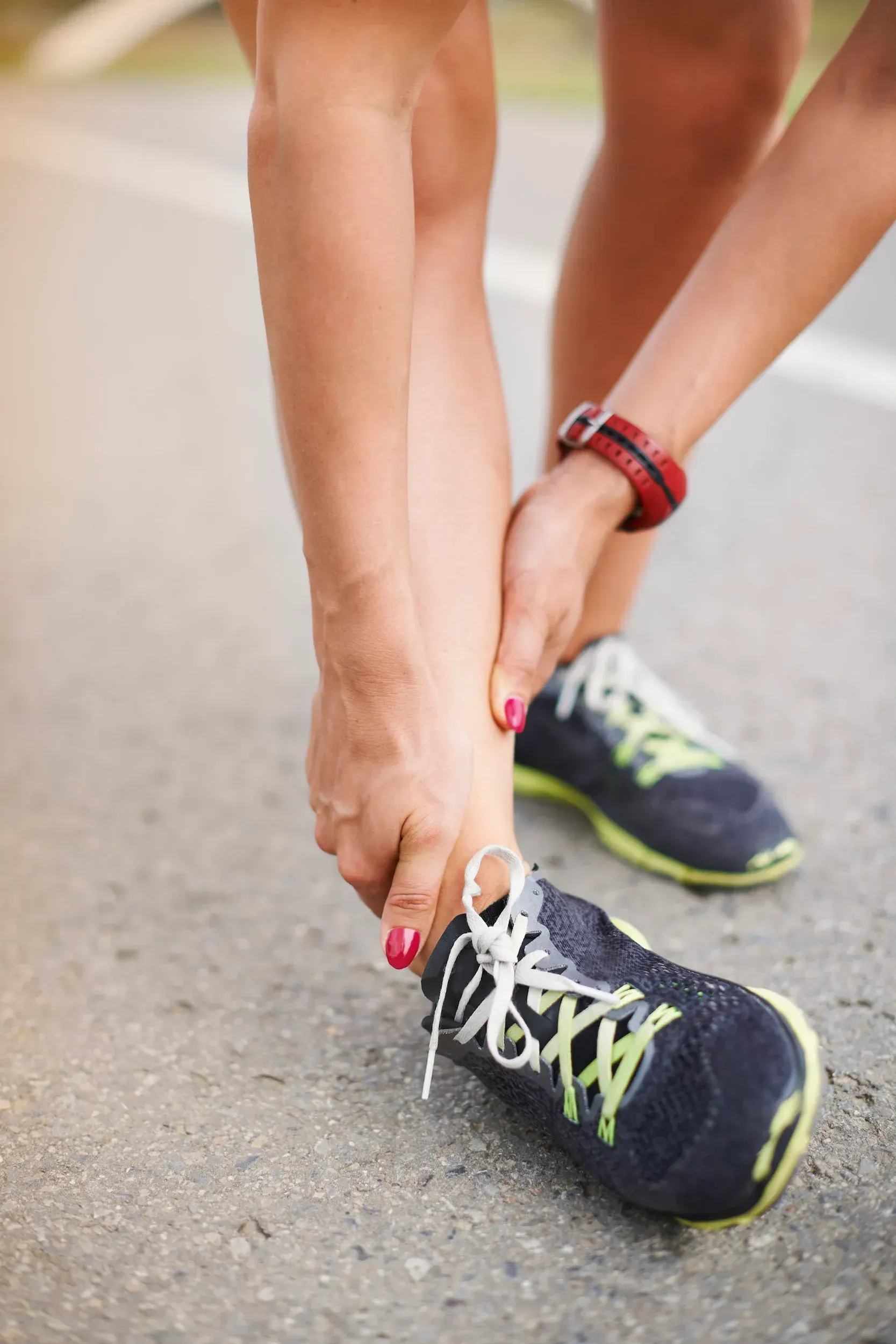
Overuse from Running
A sudden jump in mileage, speed work or hill training overloads the fascia, the classic trigger in recreational runners.
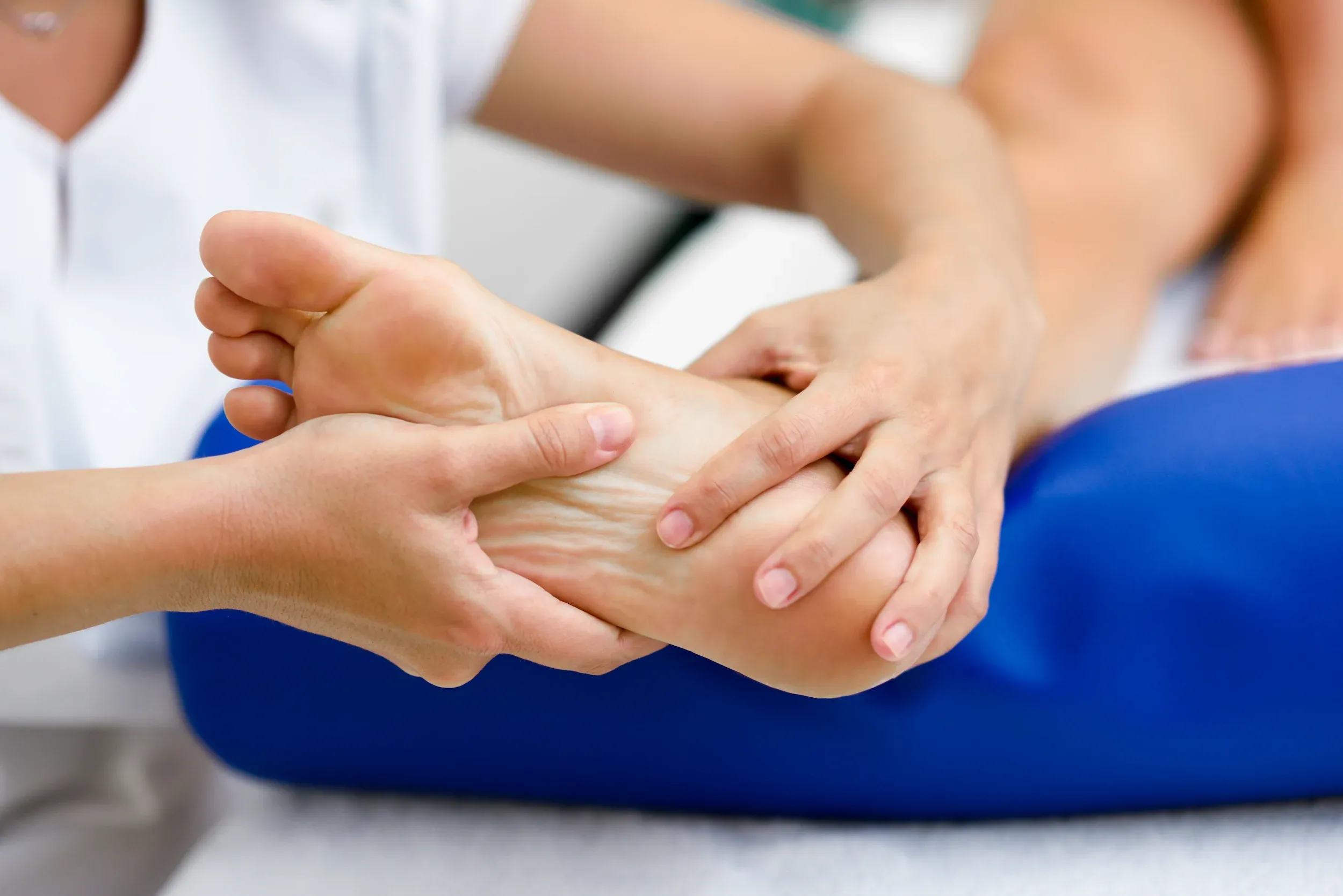
Shockwave, laser and soft tissue care for stubborn heel pain

Plantar fasciitis is the most common cause of heel pain in adults. It is an overuse condition affecting the plantar fascia, a thick band of connective tissue that runs from your heel bone (calcaneus) to the base of your toes and supports the arch of your foot. Repetitive load creates small tears and inflammation where the fascia attaches to the heel, producing that classic stabbing pain in the bottom of the foot.
About 10 percent of adults develop plantar fasciitis at some point in their lives. It is especially common in runners, dancers, nurses, teachers, retail workers and anyone who spends long hours on hard surfaces. At Spine-Ability we treat plantar fasciitis every week for patients across Apollo Beach, Riverview, Tampa, Brandon, Ruskin, Sun City Center, Gibsonton and surrounding Hillsborough County. Most cases respond well to a conservative plan of shockwave therapy, class IV laser, soft tissue work and targeted exercise, without injections or surgery.
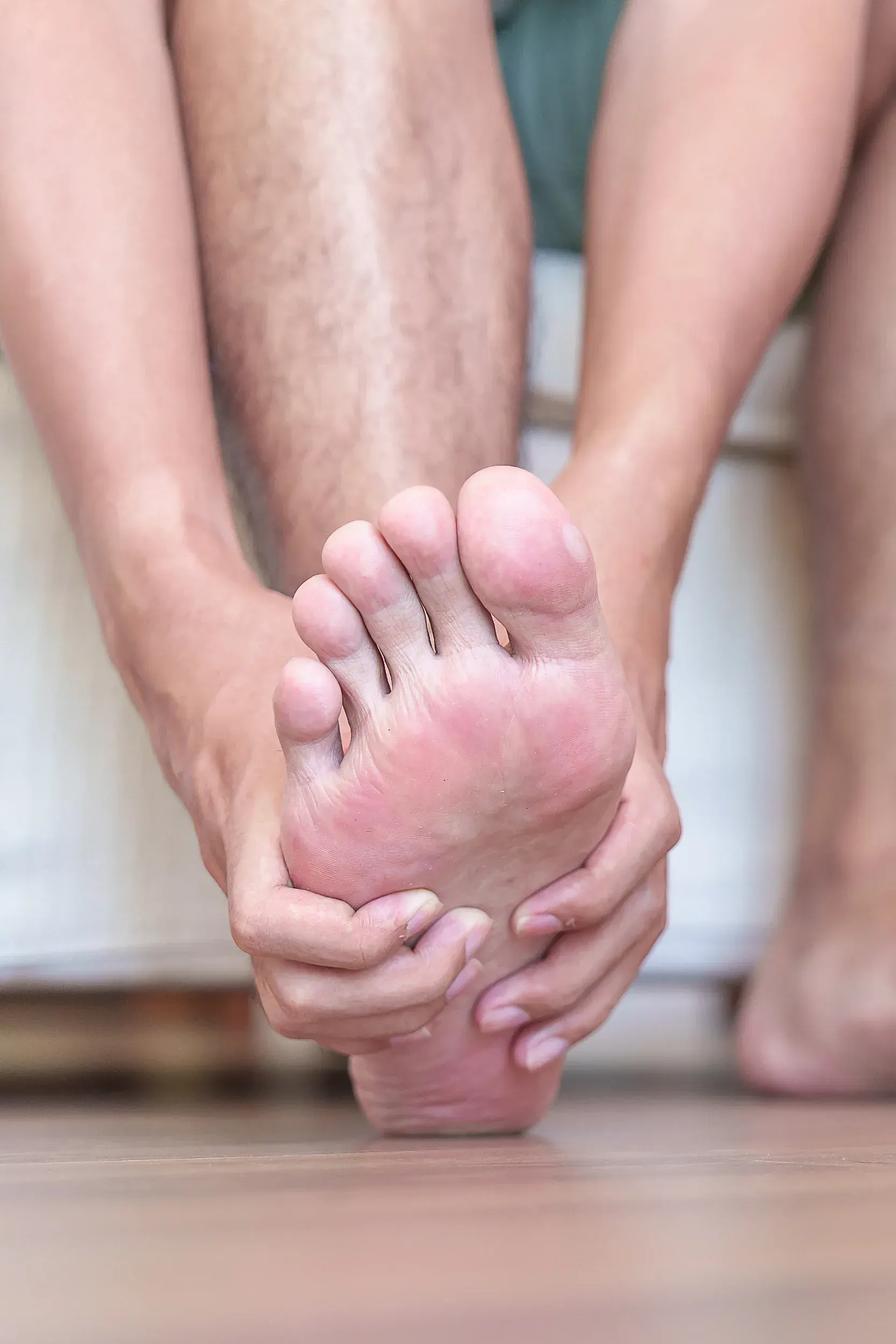
Plantar fasciitis is a load problem. The fascia is asked to absorb more force than it can recover from, usually because of a recent spike in activity, long hours on hard floors, tight calves or footwear that does not support the arch. Most patients we see at our Apollo Beach and Riverview offices can trace their flare back to one of these patterns, and identifying it shapes the treatment plan and the home strategy.
Most plantar fasciitis is a clinical diagnosis. A focused history and exam, including palpation of the medial calcaneal tubercle and a windlass test, are usually enough to confirm it. Imaging is reserved for cases that do not improve as expected, for ruling out a calcaneal stress fracture in high-mileage runners, or for evaluating a possible plantar fascia rupture after a sudden pop or severe swelling. True ruptures are rare but require a different rehab approach. If your heel pain has not responded to four to six weeks of structured care, or if you have new bruising, swelling or weight-bearing difficulty, ask us about ultrasound or X-ray to look closer.
| Treatment | Best For | Session Time | Results Timeline | Maintenance |
|---|---|---|---|---|
| Shockwave Therapy | Chronic and recalcitrant heel pain over 6 weeks old | 15 to 20 min | Noticeable relief in 3 to 6 weeks | 3 to 6 weekly sessions then re-evaluate |
| Class IV K Laser Therapy | Acute fascia inflammation and morning flare-ups | 8 to 15 min | Reduced pain after 3 to 6 sessions | 6 to 10 session series |
| Soft Tissue Therapy | Tight calves, Achilles and intrinsic foot muscles | 15 to 30 min | Looser within first visit | Weekly during active phase |
| Therapeutic and Rehabilitative Exercises | Loading the fascia, calf and arch to prevent recurrence | 15 to 30 min | Strength gains in 4 to 8 weeks | Home program plus periodic in-office check-ins |

Plantar fasciitis is an overuse injury of the plantar fascia, the thick band of tissue that runs from your heel to the base of your toes. Repetitive load creates microtears and inflammation at the heel attachment, producing that classic first-step pain in the morning.
Yes. Extracorporeal shockwave therapy is one of the most evidence-backed conservative treatments for chronic plantar fasciitis. Multiple meta-analyses show meaningful pain reduction and improved function, especially in cases that have not responded to stretching and footwear changes.
Most patients complete a series of 3 to 6 weekly shockwave sessions, often paired with class IV laser, soft tissue work and a home exercise program. Meaningful relief typically begins by session 3, with peak improvement 6 to 12 weeks after the last treatment.
With structured care most cases improve substantially within 6 to 12 weeks. Untreated, plantar fasciitis can drag on for 6 to 18 months. Starting therapy early, while the condition is still acute, shortens the timeline and lowers the chance of recurrence.
Complete rest is rarely the answer. We adjust the load instead. Short walks in supportive shoes are fine, while you may need to pause running, jumping and barefoot time on hard floors. Your provider will give you a specific activity plan.
Usually no. Plantar fasciitis is a clinical diagnosis. We use imaging only when symptoms do not improve as expected, when we suspect a calcaneal stress fracture in a high-mileage runner, or when a sudden pop and swelling raise concern for a fascia rupture.
Not exactly. Many people with plantar fasciitis have a heel spur visible on X-ray, but plenty of people with heel spurs have no pain at all. The spur is a marker of long-standing fascia traction. Treatment targets the fascia and the loading pattern, not the spur itself.
Over-the-counter inserts work well for most patients in the early stages. Custom orthotics can help in chronic cases, high-arch or flat-foot anatomy, or when activity demands are high. We typically trial supportive shoes and prefabricated inserts first and escalate only if needed.