Diabetes (Most Common)
Chronically elevated blood sugar damages the small blood vessels that feed peripheral nerves, the leading cause of neuropathy in the US.
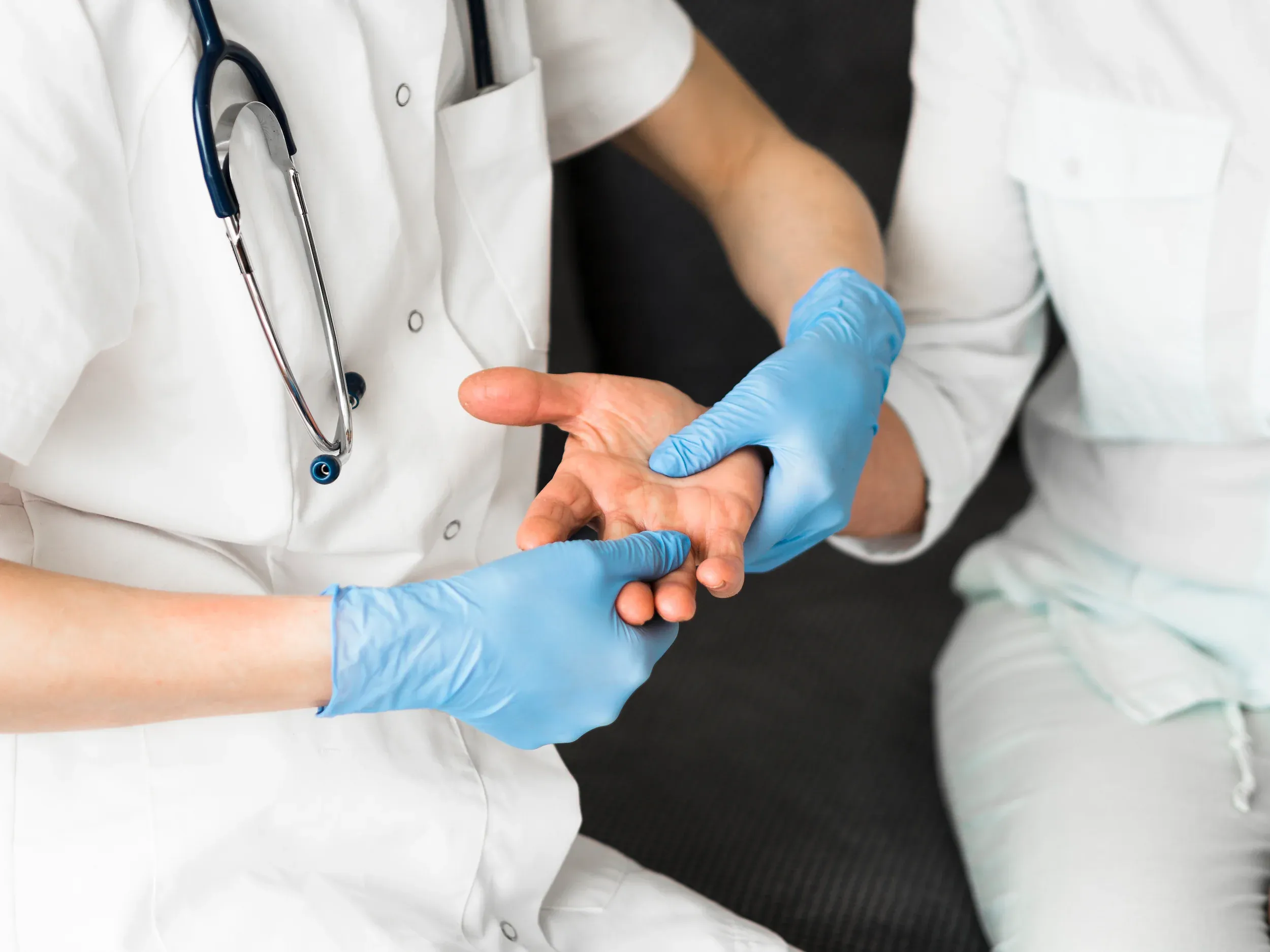
Conservative care for burning, tingling and numbness in the hands and feet

Peripheral neuropathy is damage or dysfunction of the nerves that carry signals between the brain, spinal cord and the rest of the body. When those nerves misfire, the typical symptoms are burning, tingling, numbness, electric-like pain or weakness, most often felt in the feet and hands. The condition affects more than 20 million Americans, and diabetes is by far the leading cause: about half of people with diabetes will develop some form of neuropathy over their lifetime. Other common drivers include chemotherapy, spinal nerve compression, vitamin deficiencies, repetitive strain conditions like carpal tunnel and a meaningful percentage of cases where no single cause can be identified (idiopathic).
At Spine-Ability, we evaluate and treat patients with neuropathy every week from Apollo Beach, Riverview, Tampa, Brandon, Ruskin, Sun City Center, Gibsonton and surrounding Hillsborough County. Conservative tools like Class IV K laser therapy, dry needling, acupuncture and electrical muscle stimulation can calm symptoms and support nerve healing when the underlying cause is also being managed.
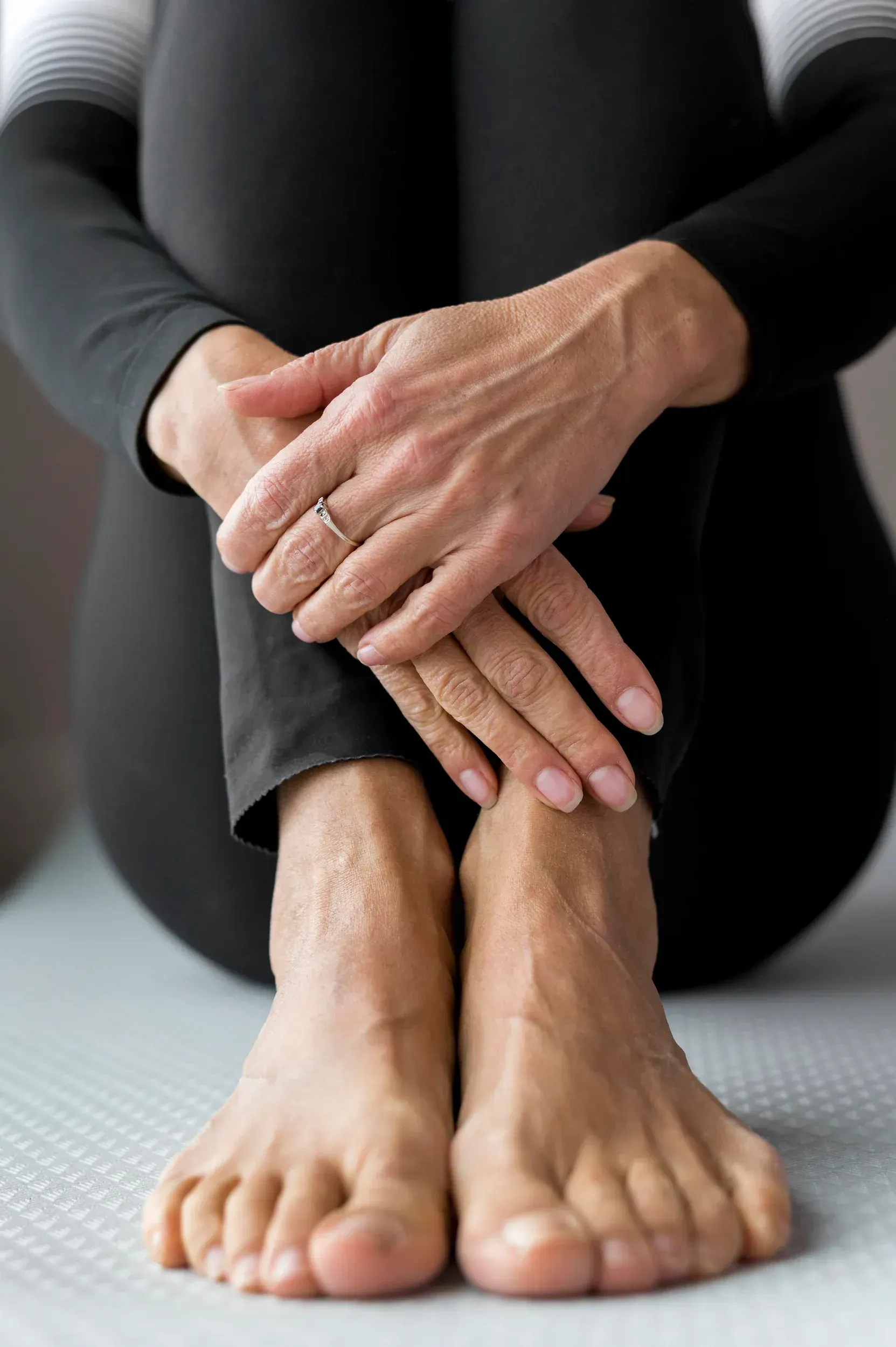
Nerve pain almost always traces back to one of a handful of root drivers: chronic high blood sugar in diabetes, mechanical compression of a spinal or peripheral nerve, neurotoxic medications like chemotherapy agents, nutritional deficiencies (especially vitamin B12) or repetitive strain on a specific nerve such as the median nerve in carpal tunnel. Pinpointing the cause is step one because the right treatment plan depends entirely on the source.
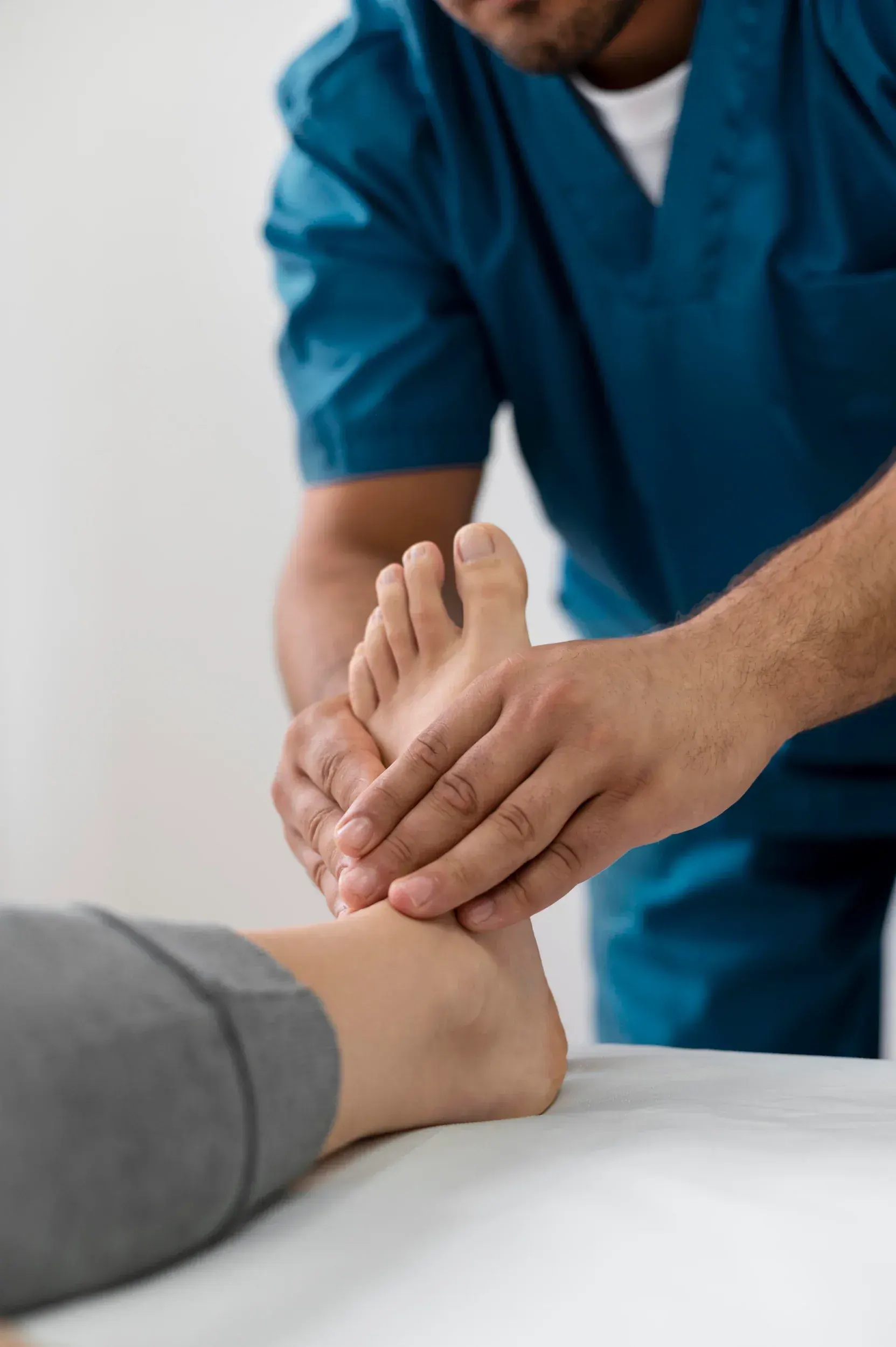
Conservative chiropractic and modality care is a strong fit for many neuropathy patients, but it works best alongside good medical management of the underlying disease. If diabetes is the driver, your endocrinologist or primary care doctor should be actively managing your A1C and medications, since blood sugar control is the single biggest factor in slowing nerve damage. If symptoms came on rapidly, are progressing quickly, follow a stroke or autoimmune flare, or are linked to multiple sclerosis, an active cancer treatment plan or unexplained weakness, a neurologist should be involved for nerve conduction studies, imaging and disease-specific therapy. We coordinate care, we do not replace it.

| Treatment | Best For | Session Time | Results Timeline | Maintenance |
|---|---|---|---|---|
| Class IV K Laser Therapy | Diabetic and idiopathic neuropathy in hands and feet | 8 to 15 min | Reduced burning after 4 to 8 sessions | 10 to 20 session series |
| Dry Needling | Compressive and trigger-point related nerve pain | 20 to 30 min | Looser within 1 to 3 visits | Weekly during active phase |
| Acupuncture | Painful diabetic peripheral neuropathy and balance issues | 30 to 45 min | Symptom relief over 4 to 8 weeks | Weekly then taper |
| Electrical Muscle Stimulation | Weakness, foot drop and disuse atrophy | 10 to 20 min | Strength gains over 4 to 6 weeks | 2 to 3 sessions per week |
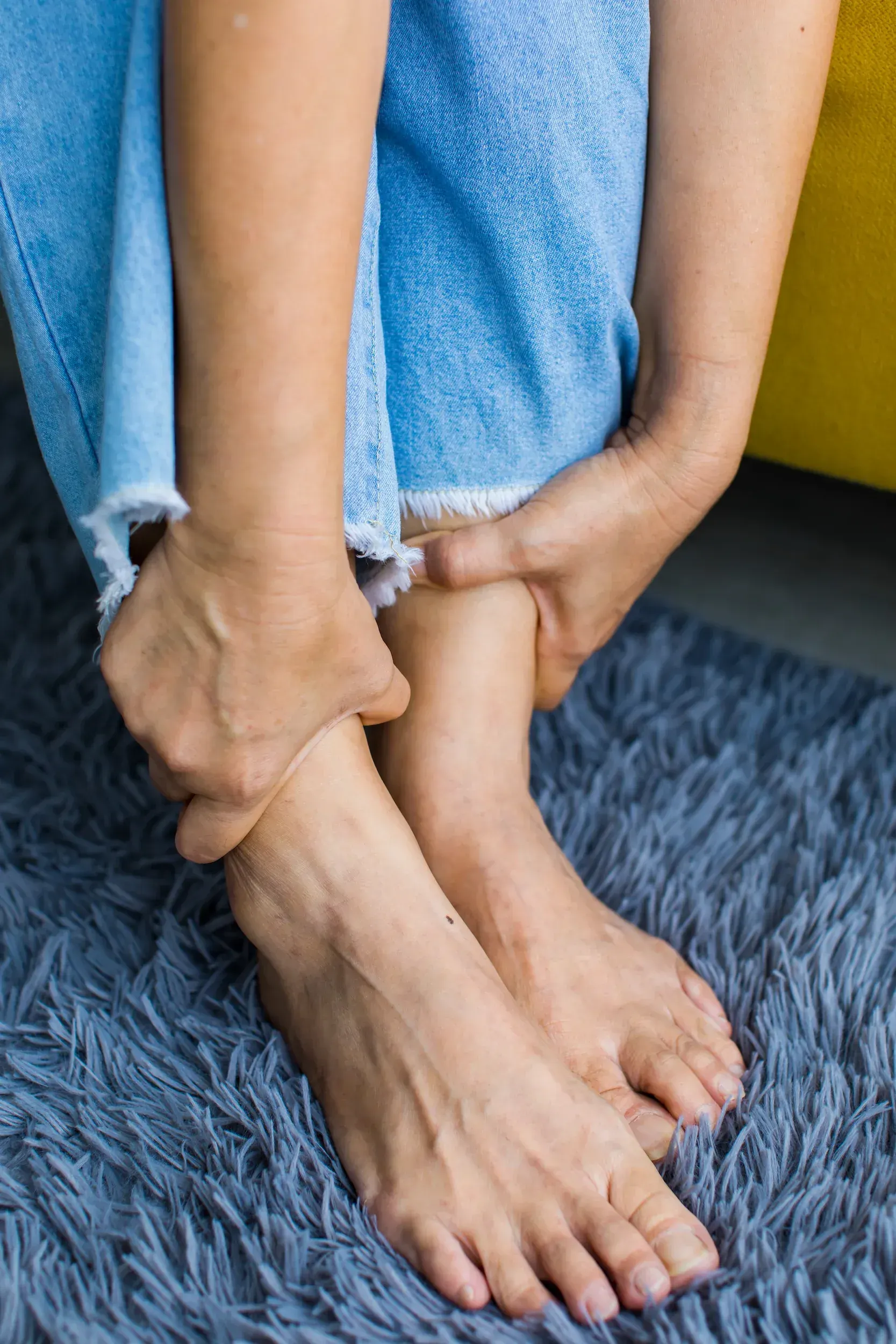
Neuropathy is damage or dysfunction of the peripheral nerves that connect your brain and spinal cord to the rest of the body. It typically shows up as burning, tingling, numbness or weakness in the hands and feet, most often from diabetes, spinal nerve compression, chemotherapy or vitamin deficiency.
Yes, for many causes. Chiropractic care, Class IV laser, dry needling, acupuncture and e-stim can reduce nerve pain and improve function, especially in diabetic and compressive neuropathy. We co-manage with your primary care doctor or neurologist when the underlying disease needs medical treatment.
Class IV K laser delivers near-infrared light that supports cellular energy production, blood flow and nerve repair. Clinical reviews show low-level and high-power laser can ease pain and tingling in diabetic peripheral neuropathy, particularly in the feet and hands.
It is the single biggest factor. Conservative care can soften the symptoms, but persistent high blood sugar will keep damaging nerves. We work alongside your endocrinologist or primary care doctor and reinforce the A1C, diet and activity goals they set.
Most patients follow a 10 to 20 session laser protocol over 4 to 8 weeks, often paired with dry needling or acupuncture. Many notice the first easing of burning and tingling within the first 4 to 6 visits, with gains continuing for several weeks after the series.
It depends on the cause. Compressive neuropathies like carpal tunnel often resolve fully when the source is addressed. Diabetic and chemotherapy-induced neuropathy may not fully reverse, but symptoms can usually be reduced and progression slowed with consistent care and good medical management.
Seek neurologist input for rapidly progressing weakness, neuropathy linked to multiple sclerosis or active cancer treatment, suspected autoimmune causes, or when nerve conduction studies and advanced imaging are needed. We are happy to coordinate the referral.
Yes, when performed by a certified provider. Dr. Amber Roman tailors depth and intensity to your sensitivity, and we avoid areas with severe sensory loss. The goal is to release tight muscles compressing nerves, not to stimulate already-damaged tissue.