Cervical Spine Dysfunction
Restricted joints in the upper neck, especially C1-C3, refer pain into the head and are a leading driver of cervicogenic headache.

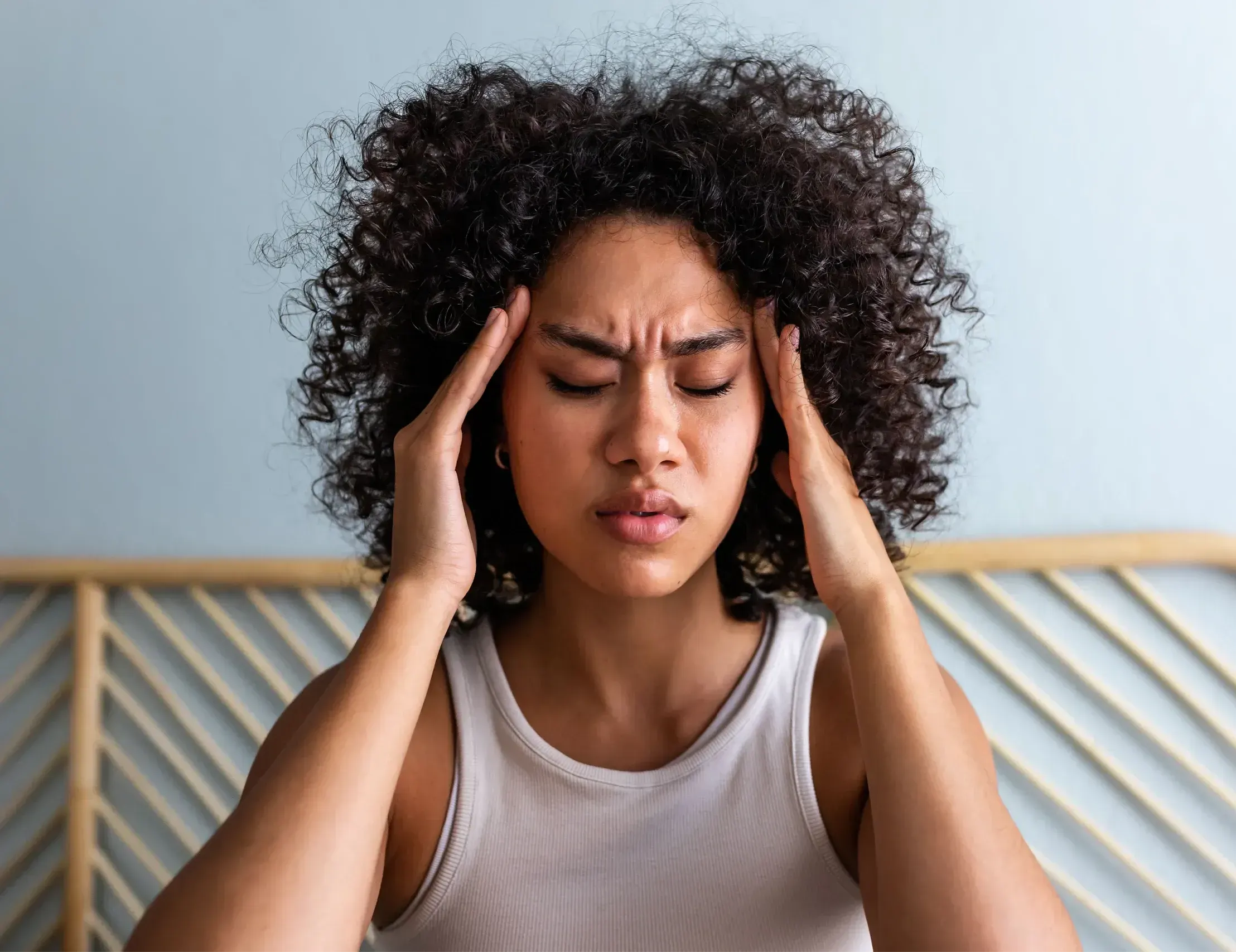
Relief from Recurring Head Pain

Recognizing the Signs
Headaches and migraines are among the most common neurological complaints, and they are not all the same. Tension-type headaches feel like a tight band squeezing the head and often build through the day. Cervicogenic headaches start in the upper neck and refer pain into the skull, temples, or behind the eyes. Migraine is a distinct neurological disorder with pulsing one-sided pain, light and sound sensitivity, and sometimes nausea or aura. Cluster headaches are rarer, with brief, severe stabbing pain around one eye.
At Spine-Ability, we see patients with all four types across Apollo Beach, Riverview, Tampa, Brandon, Ruskin, Sun City Center, Gibsonton and surrounding Hillsborough County. Chiropractic care is strongest for tension-type and cervicogenic headaches, where neck mechanics drive the pain. Acupuncture and dry needling add meaningful benefit for migraine frequency and intensity, supported by clinical research from the National Institute of Neurological Disorders and Stroke.
Understanding the Root Causes
Most recurring head pain has a mechanical or neurological driver. Restricted joints in the upper cervical spine, tight suboccipital muscles, and active trigger points in the neck and shoulders refer pain into the head through shared nerve pathways. Migraine adds a separate layer: a hypersensitive trigeminovascular system that overreacts to hormonal shifts, dehydration, sleep loss, certain foods, or barometric pressure changes common in Florida.

Knowing When Head Pain Is an Emergency
Most headaches and migraines are not dangerous, but a few patterns require urgent medical attention. A sudden, severe "thunderclap" headache that peaks within seconds, head pain with fever and a stiff neck, head pain after a recent head injury, new neurological symptoms (weakness, slurred speech, vision loss), or the "worst headache of your life" all warrant a trip to the emergency room, not a chiropractic visit. For chronic, recurring, or progressively worsening head pain that does not match those red flags, a conservative musculoskeletal workup with chiropractic adjustments is a sensible first step.

Expert Care in Apollo Beach and Riverview
Finding Your Best Approach
| Treatment | Best For | Session Time | Results Timeline | Maintenance |
|---|---|---|---|---|
| Chiropractic Adjustments | Tension and cervicogenic headache | 15-25 min | 1-3 visits | Every 2-4 weeks |
| Acupuncture | Migraine frequency reduction | 30-45 min | 4-6 sessions | Monthly tune-ups |
| Dry Needling | Trigger point headache | 20-30 min | 2-4 sessions | As needed |
| Soft Tissue Therapy | Muscle-driven head pain | 20-30 min | 2-4 sessions | Every 3-4 weeks |

Recognizing When to Seek Help
About Headaches and Migraines
Chiropractic care is most effective for tension-type and cervicogenic headaches, where neck mechanics drive the pain. For migraine specifically, many patients find that adding acupuncture and addressing cervical triggers reduces how often and how intensely episodes occur, even when a neurologist is also involved.
Most recurring headaches trace back to a mix of upper cervical joint restriction, muscle trigger points, postural strain, stress, dehydration, and sleep disruption. Migraine adds a separate neurological sensitivity to triggers like hormones, weather changes, and certain foods.
At Spine-Ability the most-used treatments are chiropractic adjustments, acupuncture, dry needling, and soft tissue therapy. Plans are individualized: some patients respond best to acupuncture alone, while others need the full combination plus trigger tracking.
Go to the ER for any sudden "thunderclap" headache that peaks within seconds, head pain with fever and a stiff neck, head pain after a head injury, or new weakness, vision loss, or speech changes. Those patterns can signal serious conditions and need imaging.
Many patients notice some relief in the first 1-3 visits, especially with cervicogenic and tension headache. Migraine frequency typically responds over 4-6 acupuncture or combined sessions, with continued improvement over 2-3 months of consistent care.
Yes for the vast majority of patients. Our providers screen for red flags and tailor technique (Diversified, Gonstead, Activator, or instrument-assisted) to your comfort and history. We coordinate with your neurologist if you have one.
Yes. Forward head posture from phones and desks loads the upper cervical spine, while stress tightens the suboccipital and trapezius muscles. Together they are the most common driver of tension and cervicogenic headache we see in the clinic.
Yes. Post-traumatic and whiplash-associated headaches are a major part of our auto and personal injury caseload. We accept PIP and coordinate documentation with attorneys and primary care providers when needed.