Sports Injuries
Cold calms acute swelling after sprains, strains and overuse flare-ups.
Targeted Cold and Heat for Pain and Recovery
The Case for Cold and Heat
You tweaked your back lifting a kayak, or you wake up with a neck so stiff you can barely check your blind spot. Maybe a flare-up of an old shoulder injury is keeping you off the pickleball court. Most patients try a bag of frozen peas, a drugstore heating pad and ibuprofen, then guess at which one helps. Sometimes it does; often it does not, because cold and heat are powerful tools when matched to the right phase of injury, and underwhelming when they are not.
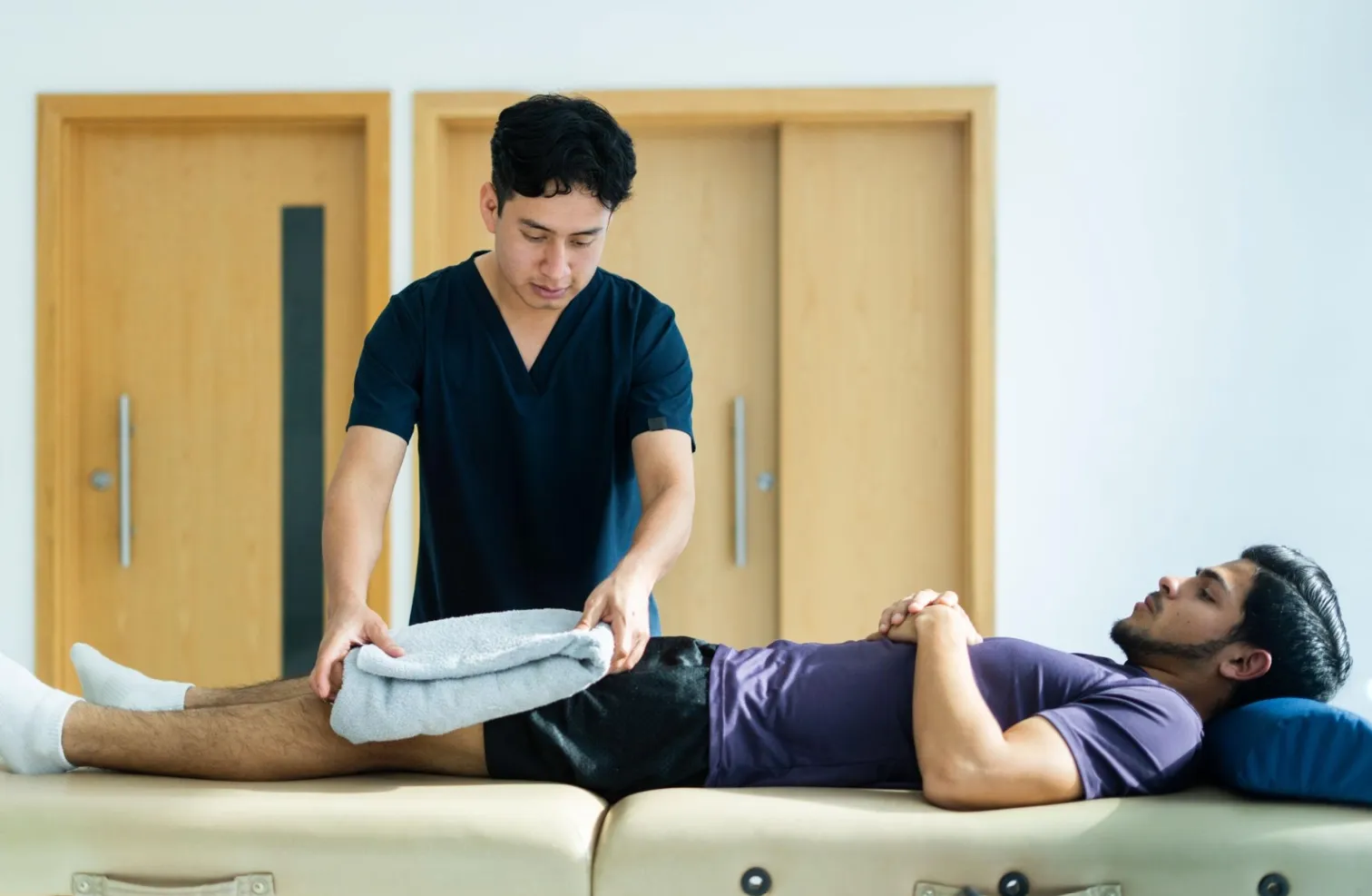
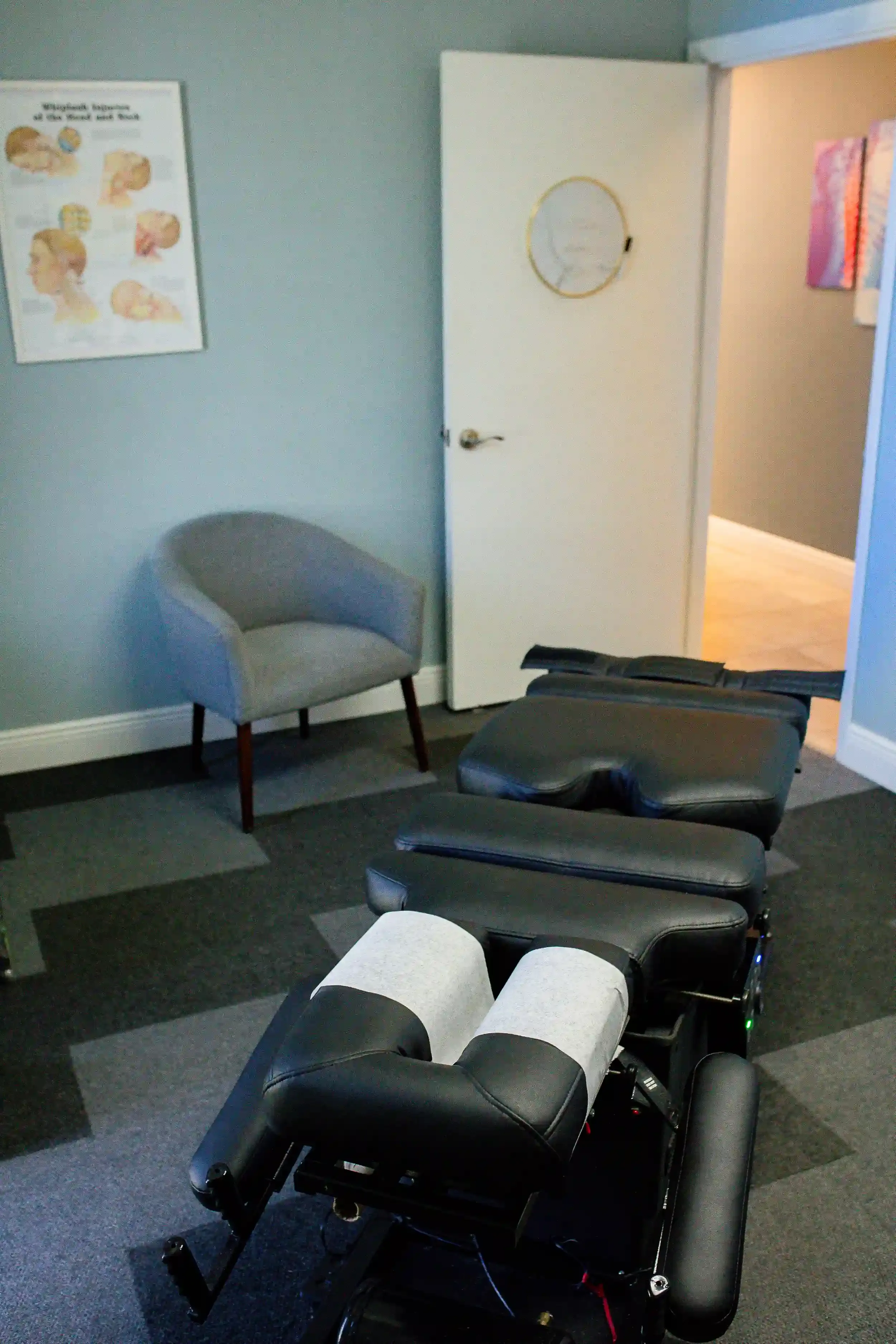
Cryotherapy and heat therapy at Spine-Ability are targeted, clinical applications of cold and moist heat that complement your chiropractic care. This is not a whole-body cryo chamber. Dr. Marissa uses clinical-grade cold packs and hydrocollator moist heat units, applied to specific regions for the right duration, in the right phase of recovery. Cold calms acute inflammation and quiets pain after a fresh injury; heat softens chronic tightness and prepares tissue for an adjustment or manual work. Used the right way, both make every other treatment work better.
Vasoconstriction, Vasodilation and the RICE Protocol
Cryotherapy and heat therapy are the targeted clinical use of cold and heat to treat musculoskeletal pain, inflammation and muscle dysfunction. At Spine-Ability, this means clinical-grade cold packs and moist heat applied to specific body regions, not a walk-in whole-body cryo chamber. Both modalities are recognized by the American Chiropractic Association as standard adjunctive therapies and are foundational pieces of the classic RICE protocol (Rest, Ice, Compression, Elevation) for acute injury management.
Cryotherapy works through vasoconstriction. When cold is applied to skin, surface blood vessels narrow, which reduces blood flow into the injured area, slows inflammatory cell activity, decreases swelling and numbs local pain receptors. That makes cold the right tool in the acute phase of a new injury, typically the first 24 to 72 hours after a sprain, strain, fresh whiplash, post-adjustment soreness or an acute flare. Heat therapy does the opposite. Moist heat causes vasodilation, the widening of blood vessels, which increases circulation, relaxes tight muscles, improves tissue extensibility and helps clear metabolic waste. That makes heat the right tool for chronic stiffness, long-standing trigger points and pre-adjustment tissue prep, but the wrong tool for a fresh, swollen injury.
The decision between cold and heat is not a coin flip. Dr. Marissa assesses your tissue, your injury timeline and your pain pattern, then matches the modality to the phase of healing. Often we use one before an adjustment and the other after, so the treatment plan amplifies what hands and tables alone cannot do.
Simple Tools, Real Results
2000+ Satisfied patients
Cold-induced vasoconstriction limits swelling and acute inflammatory response.
Heat-induced vasodilation brings fresh blood, oxygen and nutrients to tight tissue.
Numbs acute pain or relaxes chronic guarding without medication side effects.
Time-tested modalities with low risk when applied by a trained provider.
Preps tissue for adjustments and quiets post-treatment soreness.
Walk out of the office and back into your day, no recovery time required.
How They Differ
| Treatment | Mechanism | Time | Results | Duration | Downtime | Best For |
|---|---|---|---|---|---|---|
| Clinical Cryotherapy and Heat at Spine-Ability | Targeted cold or moist heat matched to phase of injury, applied by a DC | 10-20 min | Felt during and after session | Hours; cumulative with care plan | None | Acute inflammation, chronic stiffness and adjustment support |
| Home Ice Pack or Heating Pad | Self-applied cold or heat with no clinical guidance | Variable | Mild and inconsistent | Short-term | None | Light, occasional soreness when timing and duration are right |
| Oral Anti-Inflammatory Medication | Systemic NSAID like ibuprofen or naproxen | 30-60 min onset | Pain dulled, not resolved | 4-8 hours per dose | GI and renal side effects with chronic use | Short-term symptom control, not a long-term fix |
Honest Guidance, Not a Sales Pitch
Cryotherapy and heat therapy fit most adults dealing with musculoskeletal pain, inflammation or muscle tightness, but a few medical conditions change the math. Here is who tends to benefit most, and when we recommend caution or an alternative.
Tell Dr. Marissa about any medical conditions, medications, circulation issues or skin sensitivities at your consultation. We screen carefully and adjust duration, barrier and temperature to your body.
Step by Step
Dr. Marissa evaluates injury timeline, swelling and pain pattern to choose cold or moist heat.
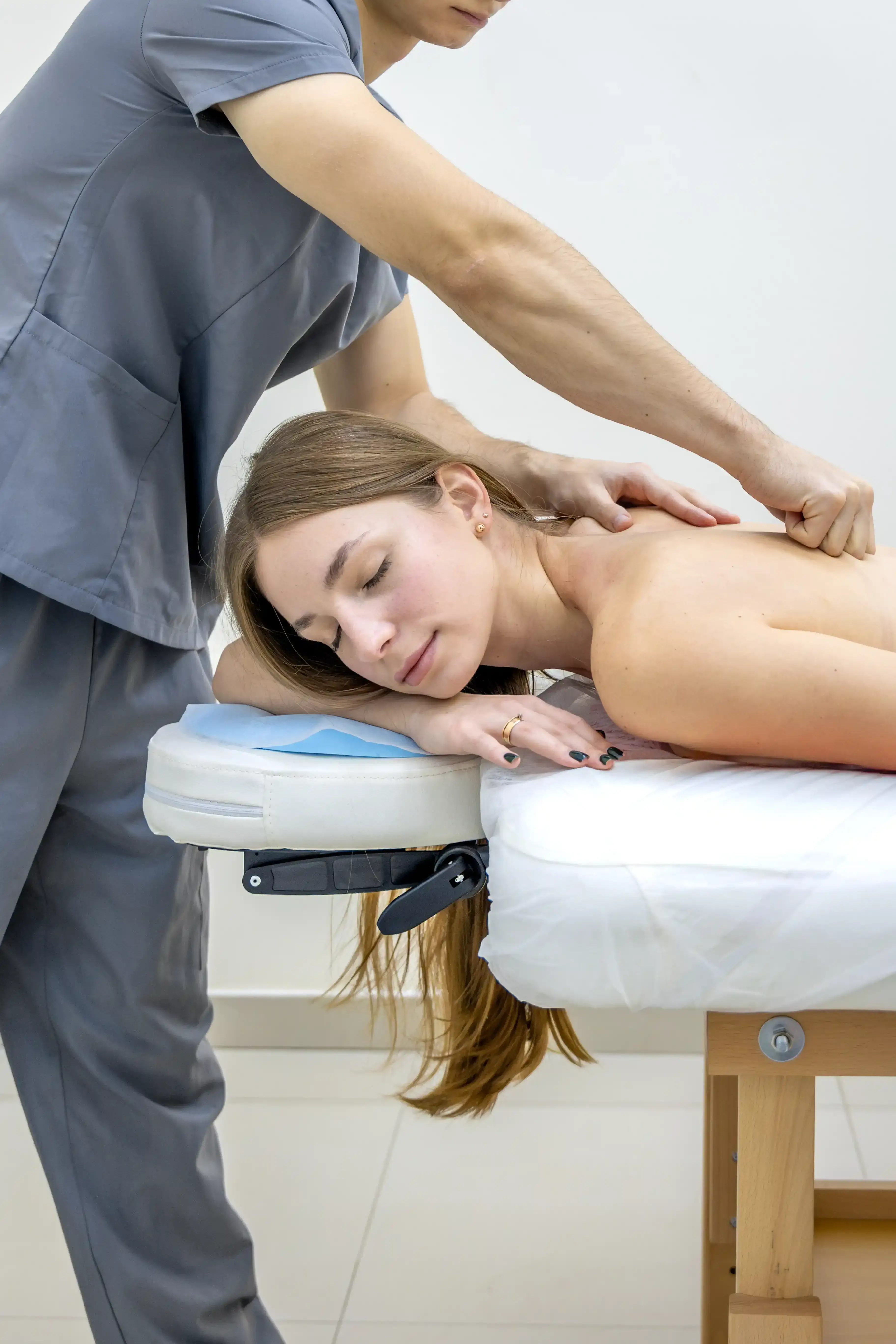
Dr. Marissa positions a clinical cold pack or hydrocollator moist heat unit with a protective barrier on the target area.
Dr. Marissa checks skin response at intervals and adjusts duration so you get benefit without irritation.
Honest Expectations
Cryotherapy and heat therapy have an excellent safety profile when applied by a trained provider. The most expected reactions are pink skin, mild numbness or tingling during a cold application, and warmth or light redness during a heat application. These resolve within minutes of removing the pack. Less common are mild skin irritation, brief stinging during rewarming, and a short-term increase in stiffness if heat is used too early on a fresh, swollen injury or cold is applied to already-tight tissue.
Rare but possible events include frostbite or ice burn from cold applied too long or directly to skin without a barrier; thermal burns from a heating pack that is too hot or left on too long; and nerve irritation in patients with decreased sensation who cannot feel a developing burn. Almost every adverse event is preventable with proper duration, barrier and skin monitoring.
Patients with diabetes, neuropathy, Raynaud's, cold urticaria or impaired circulation need extra caution, which is why we screen carefully and stay in the room. Call our office if you notice persistent skin discoloration, blistering, sustained numbness, or worsening pain after 24 hours. Cold and heat are simple tools, but they deserve the same respect as any other clinical modality.
Cryotherapy and heat therapy are among the most affordable clinical modalities in the Tampa Bay market. As a standalone add-on, ice and heat applications typically run $10 to $25 per session in our area. At Spine-Ability, this is one of the few services we frequently include at no separate add-on charge as part of a comprehensive chiropractic visit, because phase-matched cold and heat make every other treatment work better.
Insurance and payment options at Spine-Ability:
Call (813) 938-7500 to verify your insurance, ask about treatment plan inclusions, or schedule a consultation at either our Apollo Beach or Riverview office.
Apollo Beach and Riverview, FL
Dr. Marissa chooses cold or heat based on your injury timeline, not guesswork.
Layered with adjustments, decompression, soft tissue and laser under one roof.
Family-owned since 2015; concierge experience at both Apollo Beach and Riverview.
Frequently bundled with your chiropractic visit at no separate add-on charge.
Gentle enough for pediatric patients and seniors, with application times and temperatures carefully monitored for each individual.
Applied strategically before adjustments or soft tissue work to maximize tissue receptivity and improve the outcome of every hands-on therapy.
Pair cold and heat therapy with these treatments for full recovery.
Warm-water massage tables before your adjustment - relax muscles, increase circulation and prepare your body for hands-on chiropractic care.
Learn MoreInstrument-assisted myofascial release and trigger-point work paired with adjustments to release tension and improve mobility.
Learn MoreDeep-tissue Class IV laser for tendonitis, plantar fasciitis and stubborn joint pain - accelerates healing in 10-minute treatments with zero downtime.
Learn MoreAnswers from Our Providers
Cryotherapy is the targeted clinical use of cold to reduce pain and inflammation. At Spine-Ability this means clinical-grade cold packs applied to specific regions, not a whole-body cryo chamber. Cold narrows blood vessels and calms acute swelling.
Heat therapy is the targeted application of moist heat to increase circulation and relax tight muscles. At Spine-Ability we use hydrocollator moist heat units on specific regions to prepare tissue for adjustments and soothe chronic stiffness.
Cold is best in the first 24 to 72 hours after an acute injury, when swelling and inflammation dominate. Heat is best for chronic stiffness, long-standing trigger points and pre-adjustment tissue prep. Dr. Marissa decides based on your injury timeline.
No. Spine-Ability uses targeted clinical-grade cold packs and moist heat applied to specific body regions. Whole-body cryo chambers are a different service we do not offer.
Most cold or heat applications run 10 to 20 minutes per area. Dr. Marissa monitors your skin and adjusts duration so you get clinical benefit without irritation or burn risk.
Most major medical plans, Florida PIP for auto injury cases and VA Community Care for veterans cover cold and heat as adjunctive chiropractic care. Call (813) 938-7500 to verify your benefits.
Risks are low when applied properly. The most common issues are mild skin irritation, brief tingling and pink skin. Rare risks include frostbite from cold left on too long and burns from heat too hot, which is why we monitor every session.
Patients with Raynaud's phenomenon or cold urticaria should avoid cryotherapy. Patients with decreased sensation (such as diabetic neuropathy) need extra caution. Heat is avoided over the abdomen in pregnancy and over open wounds.