Hip Osteoarthritis
Age-related cartilage loss in the ball-and-socket joint produces deep groin pain, morning stiffness and gradually lost internal rotation.
Move Without the Ache
Recognizing the Signs
We serve Apollo Beach, Riverview, Tampa, Brandon, Ruskin, Sun City Center, Gibsonton and surrounding Hillsborough County. Hip pain affects a large share of adults over 40, with hip osteoarthritis alone accounting for roughly 10 percent of musculoskeletal complaints in primary care. The pain can sit deep in the groin, wrap around the outer hip, or refer down the thigh in a way that makes patients think the knee is the problem.
At Spine-Ability Chiropractic and Wellness, we evaluate hip pain across several possible drivers: hip joint osteoarthritis, greater trochanteric bursitis, iliopsoas or gluteal tendinitis, labral tears, sacroiliac dysfunction and pain referred from the lumbar spine. Dr. Marissa Fetherman, DC and Dr. Ryan Canavan, DC then build a non-surgical plan that combines chiropractic adjustments, soft tissue therapy and shockwave therapy for tendinopathy when indicated.

Understanding the Root Causes
The hip is a deep ball-and-socket joint surrounded by some of the strongest muscles and tendons in the body. When the joint surface, surrounding bursae, tendons or the lumbosacral nerves that supply the hip are irritated, the body produces pain that often feels diffuse and hard to localize. The National Institute of Arthritis and Musculoskeletal and Skin Diseases notes that most non-traumatic hip pain in adults stems from osteoarthritis, soft tissue overload or referred pain rather than a primary joint injury.

Routine Hip Pain vs. Red Flags
Most hip pain improves with conservative care over 6 to 12 weeks. We recommend MRI when pain is sharp, mechanical and catches with rotation (suggesting a labral tear), when pain follows a fall or auto accident, or when conservative care has not produced meaningful progress after 4 to 6 weeks. X-rays are reasonable earlier when osteoarthritis is suspected based on age, stiffness and limited internal rotation.
Orthopedic referral is appropriate for advanced osteoarthritis being considered for hip replacement, suspected labral tears in younger active patients, hip dysplasia, or red flags such as fever with hip pain, night pain that wakes you, sudden inability to bear weight, or hip pain after major trauma. Conservative chiropractic care, including sciatica management when lumbar referral is the real driver, is the right first step in most other cases.
Expert Care in Apollo Beach
Finding Your Best Approach
| Treatment | Best For | Session Time | Results Timeline | Maintenance |
|---|---|---|---|---|
| Chiropractic Adjustments | Joint restriction and SI dysfunction | 15-30 min | 1-3 visits | As needed |
| Soft Tissue Therapy | Gluteal, psoas and trigger point pain | 15-30 min | Same visit | As needed |
| Shockwave Therapy | Chronic gluteal and iliopsoas tendinopathy | 10-20 min | 3-6 weeks | Every 4-6 months |
| Therapeutic and Rehabilitative Exercises | Strength, balance and gait correction | 20-30 min | 4-8 weeks | Home program |
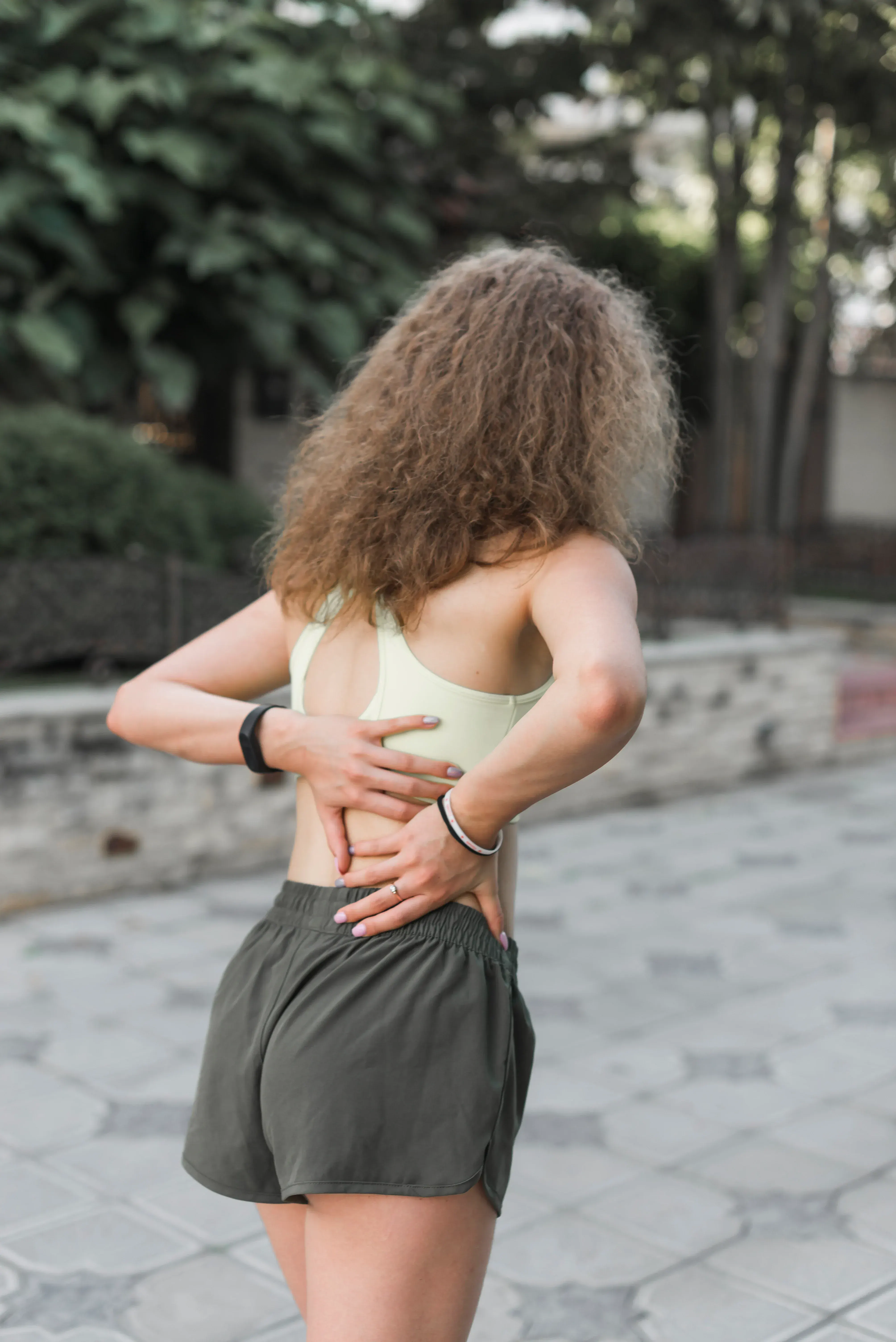
Recognizing When to Seek Help
About Hip Pain
The most common causes are hip osteoarthritis, greater trochanteric bursitis, iliopsoas or gluteal tendinopathy, labral tears and pain referred from the lower back. An exam helps separate joint pain from soft tissue and referred sources.
Yes. Chiropractic care, soft tissue therapy and rehab address most non-surgical hip pain by improving joint mobility, calming irritated tendons and correcting gait or lumbar patterns that load the hip.
We typically combine adjustments, soft tissue work, shockwave therapy for stubborn tendons and a graded rehab program. The mix depends on whether the joint, bursa, tendon or low back is the primary driver.
Groin pain and lost internal rotation point to the hip joint. Pain in the buttock and outer hip that travels down the leg often comes from the lumbar spine. We test both regions at the first visit to know which to treat.
Most patients with mechanical hip pain feel meaningful relief in 4 to 6 visits and complete a typical care plan in 8 to 12 sessions. Osteoarthritic hips and chronic tendinopathy may take longer; we re-evaluate every few weeks.
Not usually. We order imaging when pain is sharp and catches with rotation, follows trauma, or has not improved with 4 to 6 weeks of conservative care. Most hip pain is diagnosed clinically and responds without advanced imaging.
Most patients with mild to moderate hip osteoarthritis can delay or avoid replacement with consistent conservative care, weight management and a rehab program. Advanced joint damage may still benefit from orthopedic consultation.
In most cases yes, with modification. Low-impact options like swimming, cycling and walking are usually well tolerated. We adjust your routine so activity supports the hip rather than aggravating it.